
Power generation facilities, particularly thermal (coal, gas) and nuclear plants, face unique water treatment challenges that directly impact operational safety, efficiency, and compliance. QINGY electrolytic seawater chlorination systems have emerged as a critical technology, providing on-site, sustainable disinfection solutions tailored to the stringent requirements of power generation.
Thermal and nuclear power plants rely heavily on water—for cooling, steam generation, and process operations. The massive volumes of water drawn from oceans, rivers, or lakes introduce a host of biological contaminants, including algae, bacteria, and marine organisms. These contaminants can:
– Clog intake screens and cooling pipes, reducing heat transfer efficiency
– Cause biofouling in condensers, leading to increased energy consumption
– Corrode critical equipment, shortening lifespan and increasing maintenance costs
– Pose safety risks, particularly in nuclear facilities where system integrity is non-negotiable
Chlorination is the most effective method to control these contaminants, but traditional chemical chlorination presents logistical and safety challenges. QINGY electrolytic seawater chlorination systems eliminate these issues by producing chlorine on-site directly from seawater, ensuring a consistent, safe supply of disinfectant.
Thermal power plants (coal, natural gas, and oil-fired) have high water demands and face significant biofouling risks. QINGY systems address these needs through targeted applications:
### 1. Cooling Water Treatment
Thermal plants use vast quantities of water for condenser cooling—often billions of gallons annually. QINGY systems:
– Treat intake water to prevent marine organism growth in cooling towers and pipes
– Adjust chlorination levels dynamically to match water temperature and flow rate variations
– Reduce biofouling in heat exchangers, maintaining optimal thermal efficiency
– Minimize corrosion caused by biological slimes and deposits
### 2. Boiler Feedwater Treatment
High-purity water is critical for steam generation in thermal plants. QINGY systems:
– Provide pre-treatment for make-up water sources, reducing organic contaminants
– Control microbial growth in demineralization systems, protecting resin beds
– Ensure compliance with strict boiler water quality standards (e.g., ASME, IAPWS)
### 3. Wastewater Treatment
Thermal plants generate process wastewater that requires disinfection before discharge. QINGY systems:
– Treat effluent to meet local environmental regulations for pathogen levels
– Control odors in wastewater collection systems
– Reduce the environmental impact of plant discharges
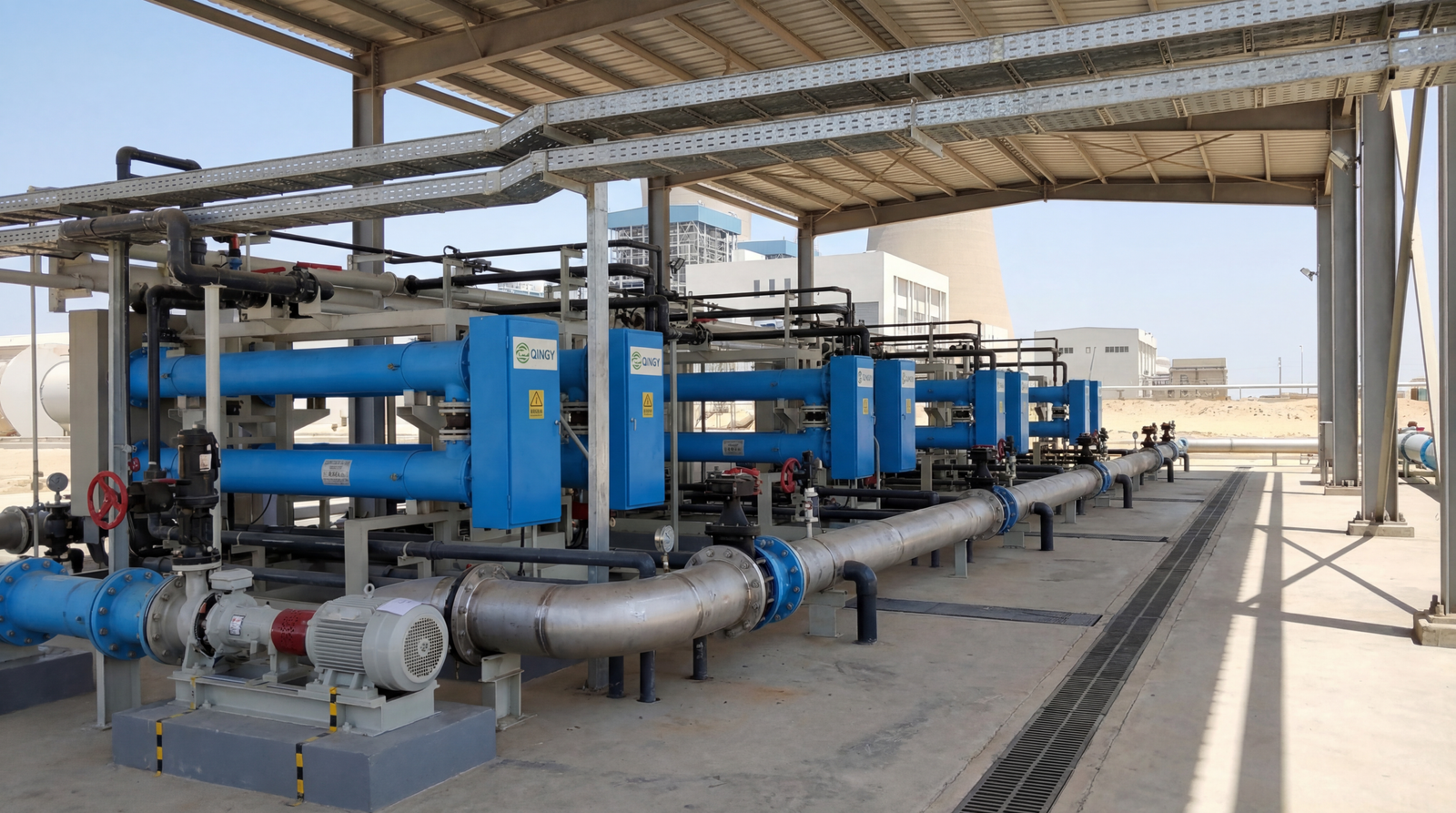
Nuclear facilities have the most stringent water treatment requirements, as system failures can have catastrophic consequences. QINGY’s systems are engineered to meet these demands:
### 1. Primary and Secondary Cooling System Treatment
Nuclear reactors depend on precise temperature control. QINGY’s systems:
– Prevent biofouling in primary coolant loops, ensuring consistent heat transfer
– Treat secondary cooling water to protect turbine condensers and heat exchangers
– Operate within the strict radiological safety parameters of nuclear facilities
### 2. Spent Fuel Pool Water Treatment
Spent nuclear fuel is stored in cooling pools, where water quality directly impacts safety. QINGY systems:
– Maintain water clarity and purity to facilitate visual inspections
– Control microbial growth that could compromise pool integrity
– Operate reliably in radiation-controlled environments
### 3. Containment Building and Emergency Systems
In nuclear plants, emergency preparedness is paramount. QINGY systems:
– Provide backup disinfection capabilities for safety-critical water systems
– Operate under emergency power conditions, ensuring continuity during outages
– Meet the rigorous quality assurance standards (e.g., ISO 9001, 10CFR50) required for nuclear safety-related equipment
QINGY technology offers distinct advantages that make it the gold standard for power generation facilities:
– **On-Site Production**: Eliminates the need to transport, store, and handle hazardous chlorine gas or chemicals
– **Cost Efficiency**: Reduces operational costs by using seawater—a free, abundant resource—instead of purchased chemicals
– **Precise Control**: Modulates chlorine output in real-time to match changing water conditions and flow rates
– **Safety Enhancement**: Eliminates risks associated with chemical storage and handling, critical for high-safety environments like nuclear plants
– **Environmental Sustainability**: Produces chlorine without harmful byproducts, reducing the plant’s ecological footprint
Power plants have specific requirements that QINGY systems address through specialized design features:
– **High Capacity**: Systems scale from small auxiliary units to multi-megawatt installations capable of treating millions of gallons per day
– **Corrosion Resistance**: Constructed with marine-grade materials to withstand the harsh conditions of seawater intake systems
– **Remote Monitoring**: Advanced SCADA integration enables real-time performance tracking and predictive maintenance
– **Reliability**: Designed for 24/7 operation with minimal downtime, critical for power plants where outages are costly
– **Regulatory Compliance**: Meets global standards for power plant water treatment, including those set by the U.S. Nuclear Regulatory Commission (NRC) and International Atomic Energy Agency (IAEA)
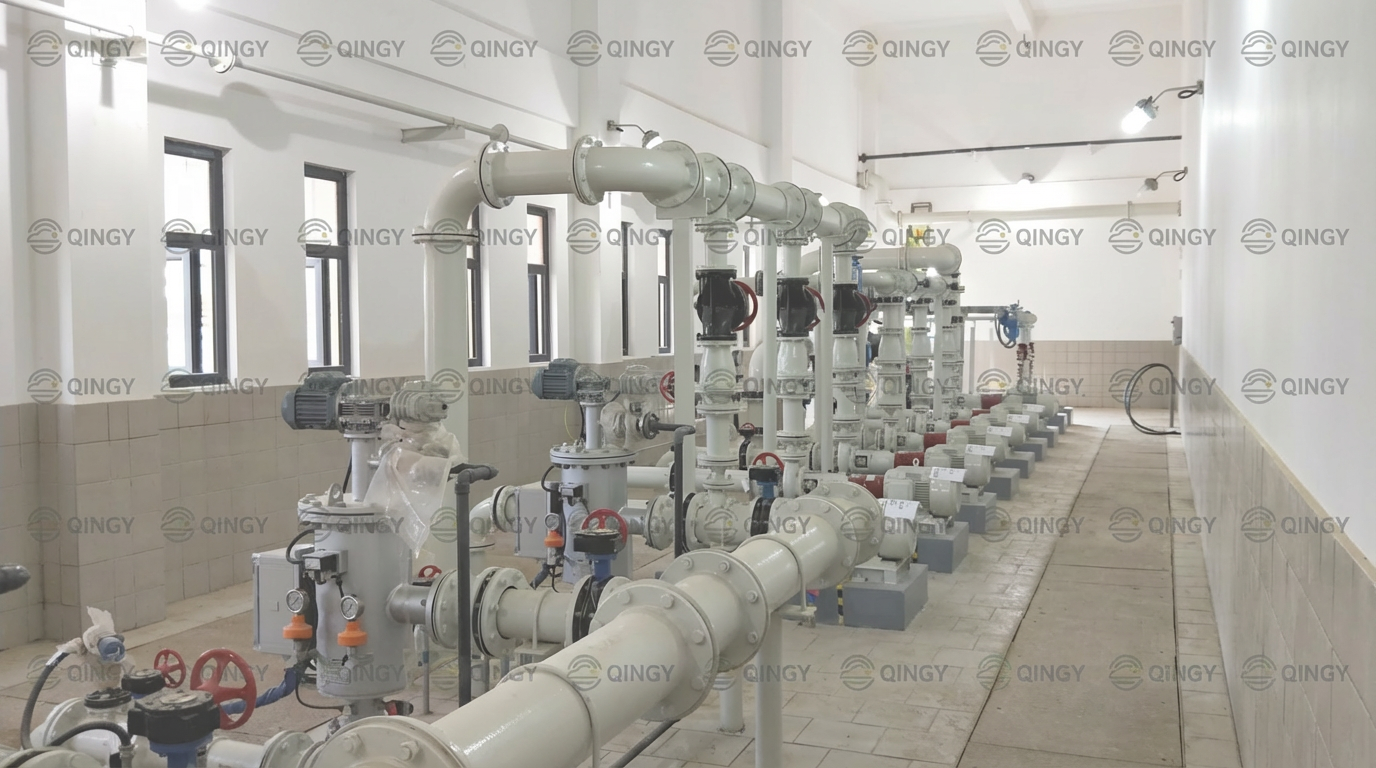
Beyond technical benefits, QINGY’s electrolytic seawater chlorination systems deliver compelling economic advantages:
– **Reduced Maintenance Costs**: Minimizes biofouling and corrosion, extending equipment lifespan and reducing repair expenses
– **Energy Savings**: Maintains optimal heat transfer efficiency, lowering fuel consumption in thermal plants
– **Compliance Assurance**: Helps facilities meet increasingly strict environmental regulations for water discharge
– **Risk Mitigation**: Eliminates liability associated with chemical handling and storage
– **Long-Term Value**: Systems have a 20+ year lifespan, providing a stable, cost-effective solution for decades
As thermal and nuclear power plants strive to balance operational efficiency, safety, and environmental responsibility, QINGY electrolytic seawater chlorination systems have become an indispensable asset. By providing on-site, sustainable disinfection, our technology addresses the unique water treatment challenges of power generation while reducing costs and enhancing safety.
For thermal plants, QINGY systems optimize cooling efficiency and reduce maintenance downtime. For nuclear facilities, they deliver the reliability and compliance required for safety-critical operations. In both cases, our technology transforms seawater—a once-overlooked resource—into a powerful tool for sustainable power generation.
Contact QINGY today to discover how our tailored electrolytic seawater chlorination solutions can help your power plant achieve operational excellence, enhance safety, and meet the demands of a rapidly evolving energy landscape. The future of power generation depends on innovative