
In today’s world, ensuring safe water supply is more critical than ever. The sodium hypochlorite generator has emerged as a reliable solution for on-site disinfection, transforming ordinary salt into powerful sanitizing agents. This innovative equipment offers a cost-effective and eco-friendly alternative to traditional chemical disinfection methods, making it a staple in water treatment facilities worldwide.
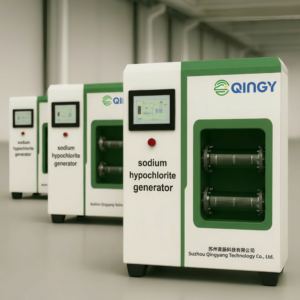
How Sodium Hypochlorite Generators Work:
At its core, the sodium hypochlorite generator uses electrolysis to produce disinfectant from saltwater. The process begins with preparing a salt solution—typically 3-5% sodium chloride—using non-iodized 食用盐. This solution undergoes softening to remove calcium and magnesium ions that could interfere with the electrolysis process.
Once prepared, the diluted brine enters the electrolytic cell where direct current splits the solution into sodium hypochlorite, hydrogen gas, and water. The reaction follows a simple chemical pathway: 2NaCl + 2H₂O → 2NaOH + H₂↑ + Cl₂↑, with subsequent reactions forming the final sodium hypochlorite solution.
- The electrolytic cell contains titanium electrodes coated with ruthenium dioxide, ensuring durability and efficiency
- Hydrogen gas produced during electrolysis is safely vented to prevent accumulation
- The resulting sodium hypochlorite solution typically ranges from 0.8-1.2% concentration
- PLC control systems monitor and adjust the process parameters in real-time
Key Components of Sodium Hypochlorite Generators:
Modern sodium hypochlorite generators feature integrated systems designed for efficiency and safety. The 溶盐 system prepares saturated brine using softened water, while the solution proportioning system dilutes it to optimal concentration.
The electrolysis unit forms the heart of the system, with titanium electrodes that can last 4-6 years under normal operation. Temperature control systems maintain electrolysis below 40°C to ensure stable performance. Automatic dosing systems then deliver the disinfectant precisely where needed, whether for drinking water treatment or wastewater disinfection.
- Softening systems remove minerals that cause scaling and reduce efficiency
- Acid cleaning systems periodically remove deposits to maintain performance
- Cooling systems prevent overheating during continuous operation
- Safety interlocks shut down the system if abnormal conditions are detected
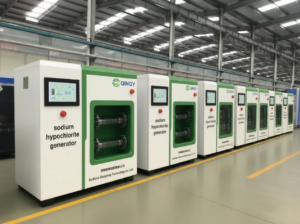
Advantages of On-Site Sodium Hypochlorite Generation:
Choosing a sodium hypochlorite generator over traditional chlorine gas or bulk chemical delivery offers multiple benefits. The on-demand production eliminates the risks associated with transporting and storing hazardous chemicals, making it safer for operators and communities.
The cost-effectiveness of this technology stands out—operating expenses primarily cover salt and electricity, with minimal maintenance requirements. For a 50g/hour unit treating 500 cubic meters of water daily, the annual operating cost typically ranges from $1,500-$2,500, depending on local utility rates.
- Eliminates transportation costs and risks of bulk chemical handling
- Produces fresh disinfectant continuously, maintaining maximum effectiveness
- Reduces environmental impact with minimal waste generation
- Scalable designs accommodate facilities from small clinics to large water treatment plants
Applications Across Industries:
The versatility of sodium hypochlorite generators makes them suitable for diverse applications. Municipal water treatment plants use these systems to disinfect drinking water supplies, meeting strict health standards without harmful byproducts.
In healthcare settings, the generators provide reliable disinfection for medical equipment and surfaces, crucial for infection control. Food processing facilities utilize the technology to sanitize production lines and storage areas, ensuring compliance with food safety regulations.
Subheading: Municipal Water Treatment
Public water systems increasingly adopt sodium hypochlorite generators for their reliability and safety. A 500-cubic-meter-per-day treatment plant might use a 50g/hour unit, ensuring consistent disinfection without the risks associated with chlorine gas. These systems integrate seamlessly with existing water treatment infrastructure, often requiring minimal modifications.
Subheading: Swimming Pool Maintenance
For recreational water facilities, the generators offer precise control over disinfection levels. A 100-cubic-meter swimming pool typically requires a 50g/hour unit, maintaining optimal chlorine levels while reducing chemical handling. The on-demand production ensures consistent water quality without sudden fluctuations.
Selecting the Right Sodium Hypochlorite Generator:
When choosing a sodium hypochlorite generator, several factors should guide your decision. Consider the required disinfection capacity based on water volume and contamination levels. For example, a small rural water system might need a 50g/hour unit, while a large municipal plant could require multiple 10kg/hour generators.
Evaluate the quality of components, particularly the electrode material and lifespan. Titanium electrodes with ruthenium coating typically last 4-6 years, while cheaper alternatives may require replacement every 1-2 years. Energy efficiency ratings also matter—look for systems with over 90% conversion efficiency to minimize operating costs.
- Calculate required capacity based on flow rate and target residual concentration
- Verify compliance with local health and safety regulations
- Consider modular designs for future expansion needs
- Evaluate after-sales support and maintenance requirements
Maintenance and Operational Best Practices:
Proper maintenance ensures your sodium hypochlorite generator operates efficiently throughout its lifespan. Regular electrode cleaning prevents scaling and maintains electrolysis efficiency. Most manufacturers recommend acid cleaning every 1-3 months, depending on water hardness.
Monitor key performance indicators including salt consumption, power usage, and disinfectant output. A well-maintained system should achieve current efficiency above 72%, as specified in national standards. Document all maintenance activities and performance metrics to identify trends and potential issues early.
- Keep detailed operation logs for troubleshooting and compliance
- Train operators on emergency procedures and routine maintenance
- Schedule preventive maintenance based on manufacturer recommendations
- Test disinfectant concentration regularly to ensure effectiveness
The Future of Sodium Hypochlorite Generation:
As water treatment standards evolve, sodium hypochlorite generators continue to adapt with technological advancements. Newer models feature improved energy efficiency, with some systems achieving over 95% conversion efficiency. Smart monitoring systems now allow remote operation and predictive maintenance, reducing downtime and operational costs.
The sodium hypochlorite generator remains a cornerstone of modern water treatment, offering a balance of safety, efficiency, and cost-effectiveness. Whether for municipal water supplies, healthcare facilities, or industrial applications, this technology provides reliable disinfection while minimizing environmental impact. As communities prioritize sustainable water management, the sodium hypochlorite generator will undoubtedly play an increasingly important role in ensuring safe water for all.