
In an era where water safety and sustainability are paramount, the sodium hypochlorite generator has emerged as a game-changing technology for producing chlorine-based disinfectants on-site. This innovative system eliminates the risks associated with storing and transporting hazardous chemicals while delivering cost-effective, reliable water treatment solutions for residential, commercial, and industrial applications.
How a Sodium Hypochlorite Generator Works: The Science of Safe Water
A sodium hypochlorite generator uses an electrochemical process to convert salt, water, and electricity into sodium hypochlorite (the active ingredient in household bleach) and hydrogen gas. The system consists of electrolytic cells where an electric current passes through a brine solution, triggering a chemical reaction that produces sodium hypochlorite (NaClO) at concentrations typically ranging from 0.8% to 1.2%.
Key advantages of this process:
- On-demand production: Generate disinfectant only when needed, eliminating waste
- Adjustable concentration: Tailor the solution strength to specific disinfection requirements
- Minimal byproducts: The primary byproduct is hydrogen gas, which is safely vented
- Consistent quality: Maintain uniform disinfection levels without batch variations
- Simple operation: User-friendly controls make operation straightforward for any skill level
Applications of Sodium Hypochlorite Generators: Versatility Across Industries
The sodium hypochlorite generator finds applications in numerous settings where water disinfection is critical:
Residential and Commercial Use
Homeowners and small businesses benefit from sodium hypochlorite generators for:
- Swimming pool and spa water treatment
- Drinking water purification
- Surface disinfection in kitchens and bathrooms
- Laundry sanitization
- Pet care and animal facility disinfection
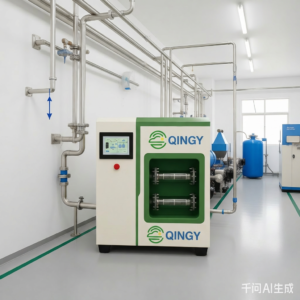
Industrial and Municipal Applications
Larger-scale sodium hypochlorite generator systems serve:
- Municipal water treatment plants
- Food and beverage processing facilities
- Healthcare institutions and hospitals
- Agricultural irrigation systems
- Cooling tower water treatment
- Wastewater treatment operations
- Hospitality industry for hotel and restaurant disinfection
Benefits of Choosing a Sodium Hypochlorite Generator System
Investing in a sodium hypochlorite generator offers numerous advantages over traditional chlorine-based disinfection methods:
-
Cost Savings: By producing your own sodium hypochlorite from salt, you can reduce chemical costs by up to 50% compared to purchasing pre-made solutions.
-
Safety Improvements: Eliminate the risks associated with storing, handling, and transporting hazardous chlorine products, including potential leaks, spills, and accidental exposure.
-
Environmental Benefits: Reduce your carbon footprint by eliminating transportation emissions and minimizing packaging waste from chemical containers.
-
Consistent Quality: Maintain precise control over your disinfectant concentration, ensuring optimal disinfection without over-chlorination.
-
Scalability: Available in models ranging from compact units for home use to industrial-scale systems for large facilities, allowing you to find the perfect size for your needs.
Choosing the Right Sodium Hypochlorite Generator for Your Needs
When selecting a sodium hypochlorite generator, consider factors such as:
- Required production capacity (grams per hour or liters per day)
- Available power supply and electrical requirements
- Space constraints for installation
- Maintenance and operational requirements
- Local regulations and safety standards
With proper installation and maintenance, a sodium hypochlorite generator can provide years of reliable service, ensuring your water disinfection needs are met efficiently and effectively.
Invest in a sodium hypochlorite generator today and experience the convenience, safety, and cost savings of on-demand chlorine production for all your water treatment needs. Whether for residential, commercial, or industrial applications, this innovative system delivers consistent, high-quality disinfection results while minimizing risks and maximizing efficiency.