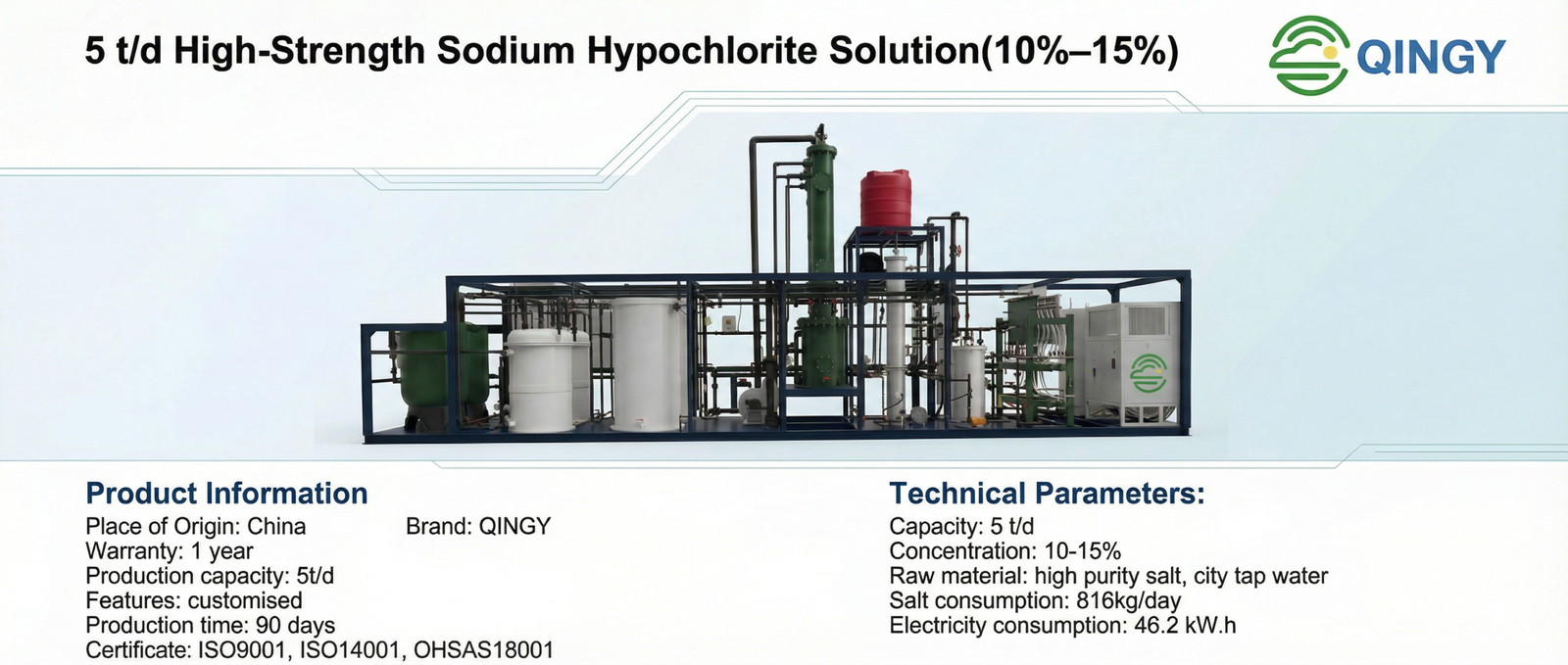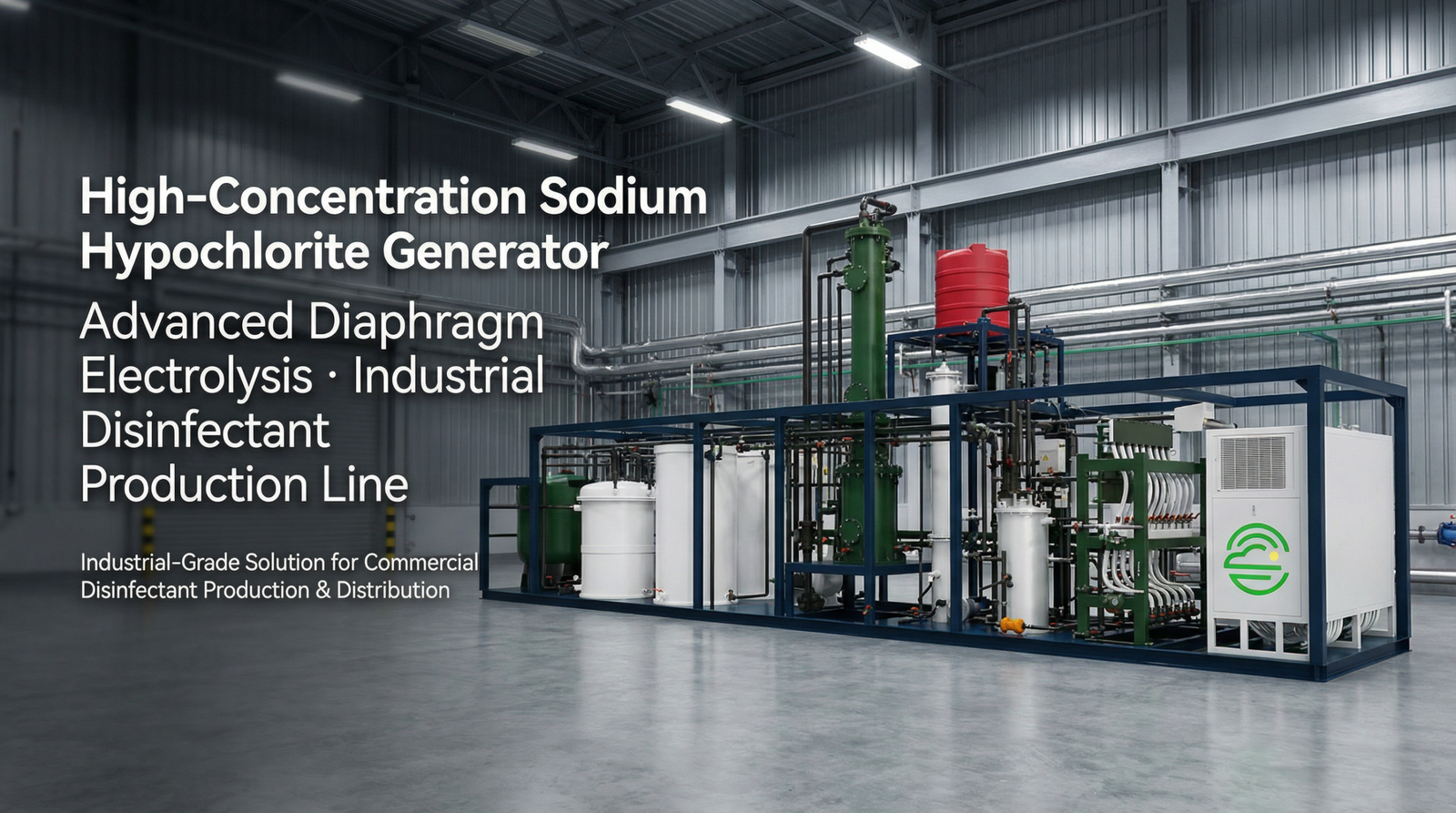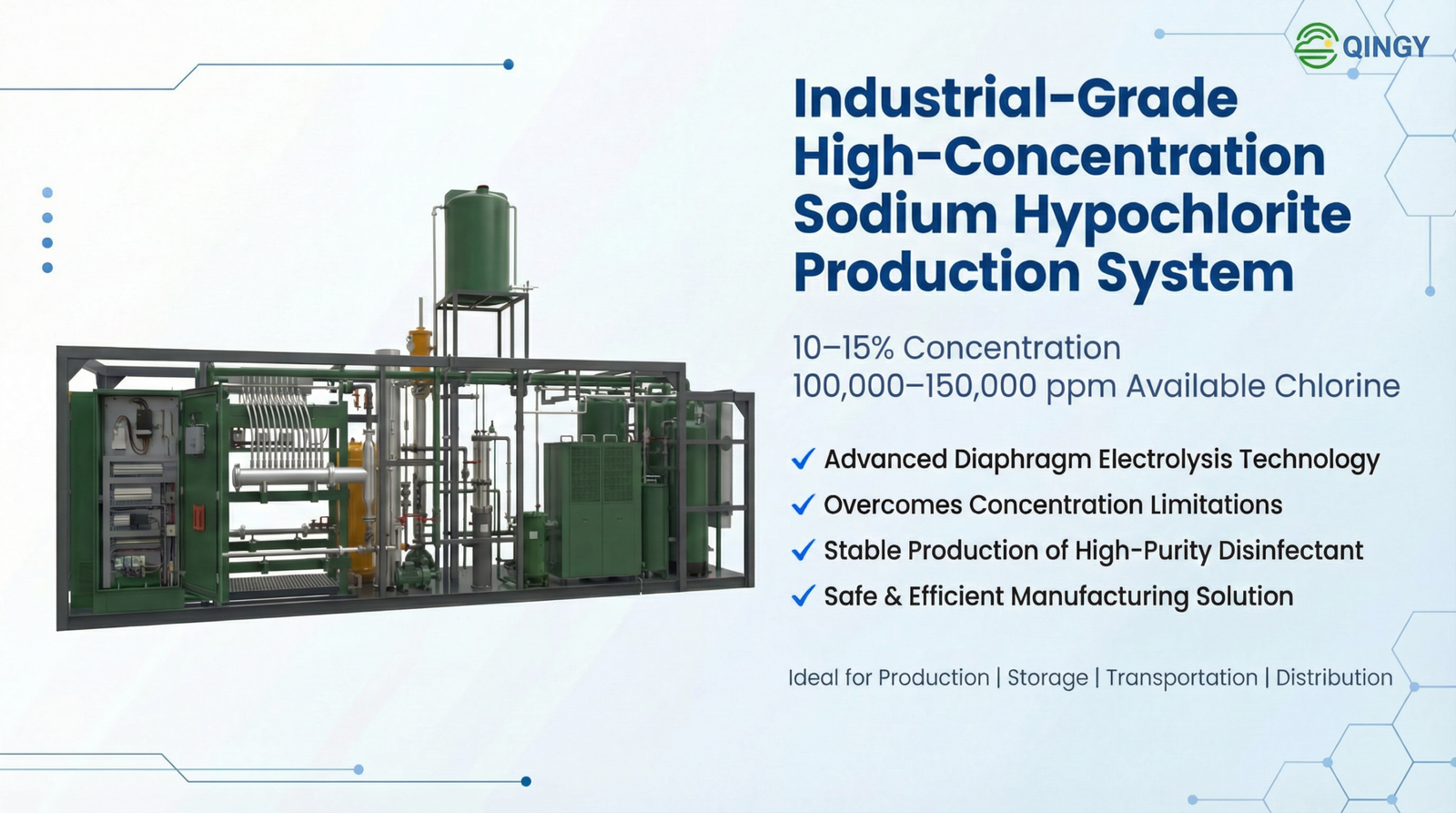
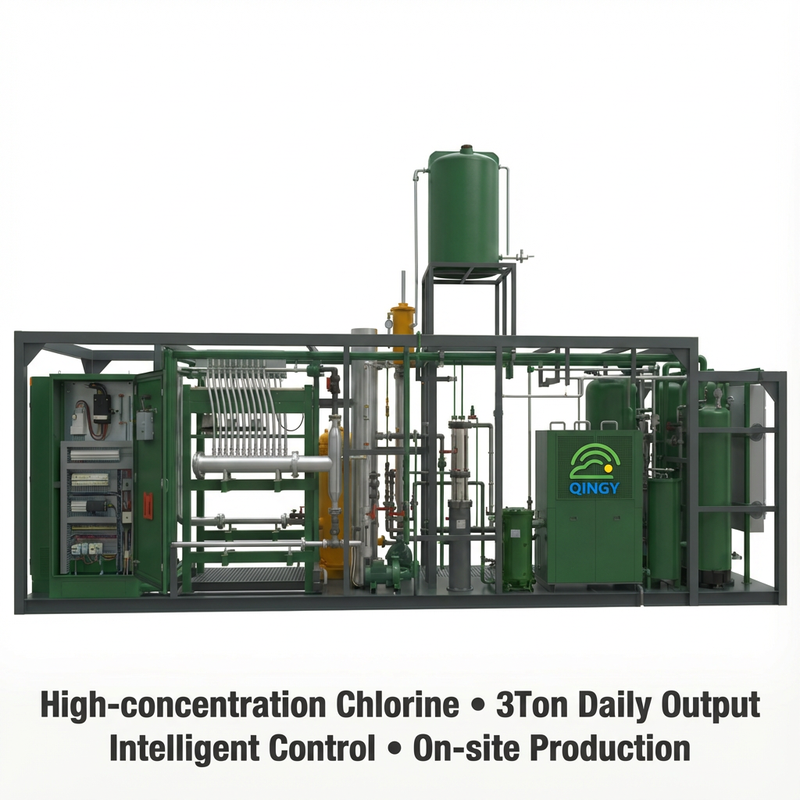
5 td High-Strength Sodium Hypochlorite (10%-15%)

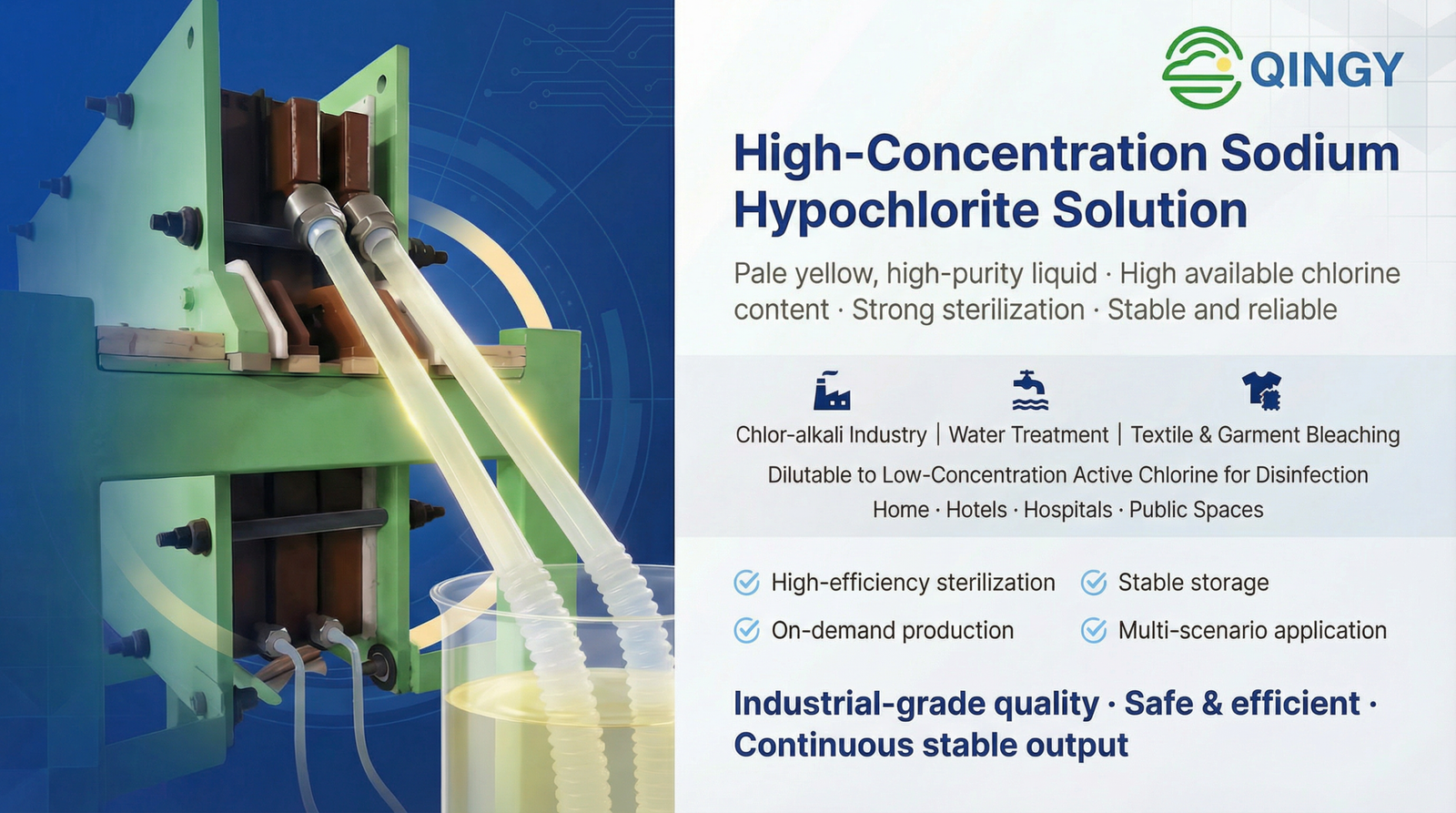
5 t/d industrial-grade dual-module NaClO generator. 10-15% high-concentration output, redundant PLC, 24/7 operation. For large municipal plants and heavy industry. Lowest cost per kg Cl₂.

Product Details

5 t/d High-Strength Sodium Hypochlorite Generator – Overview

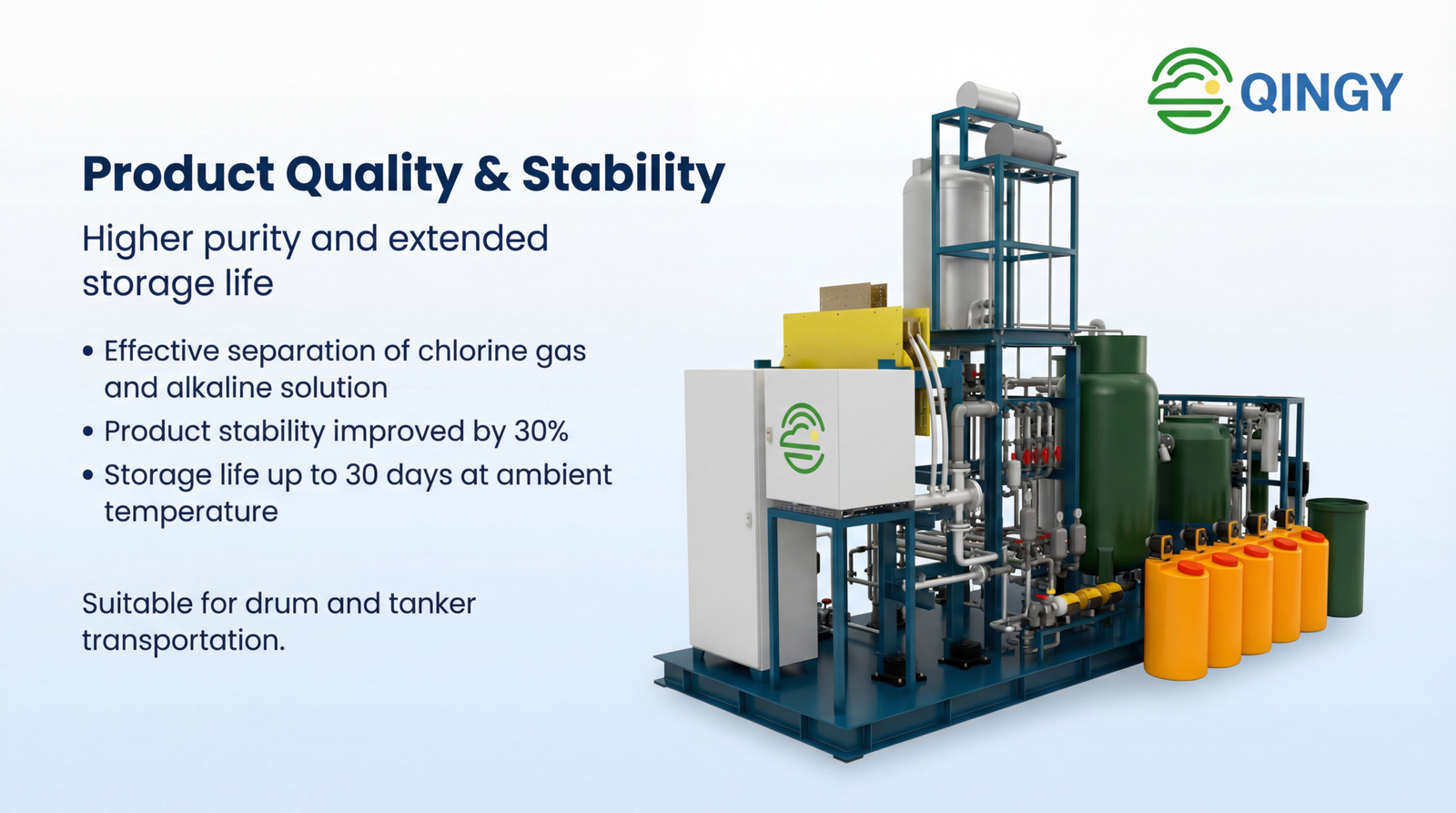
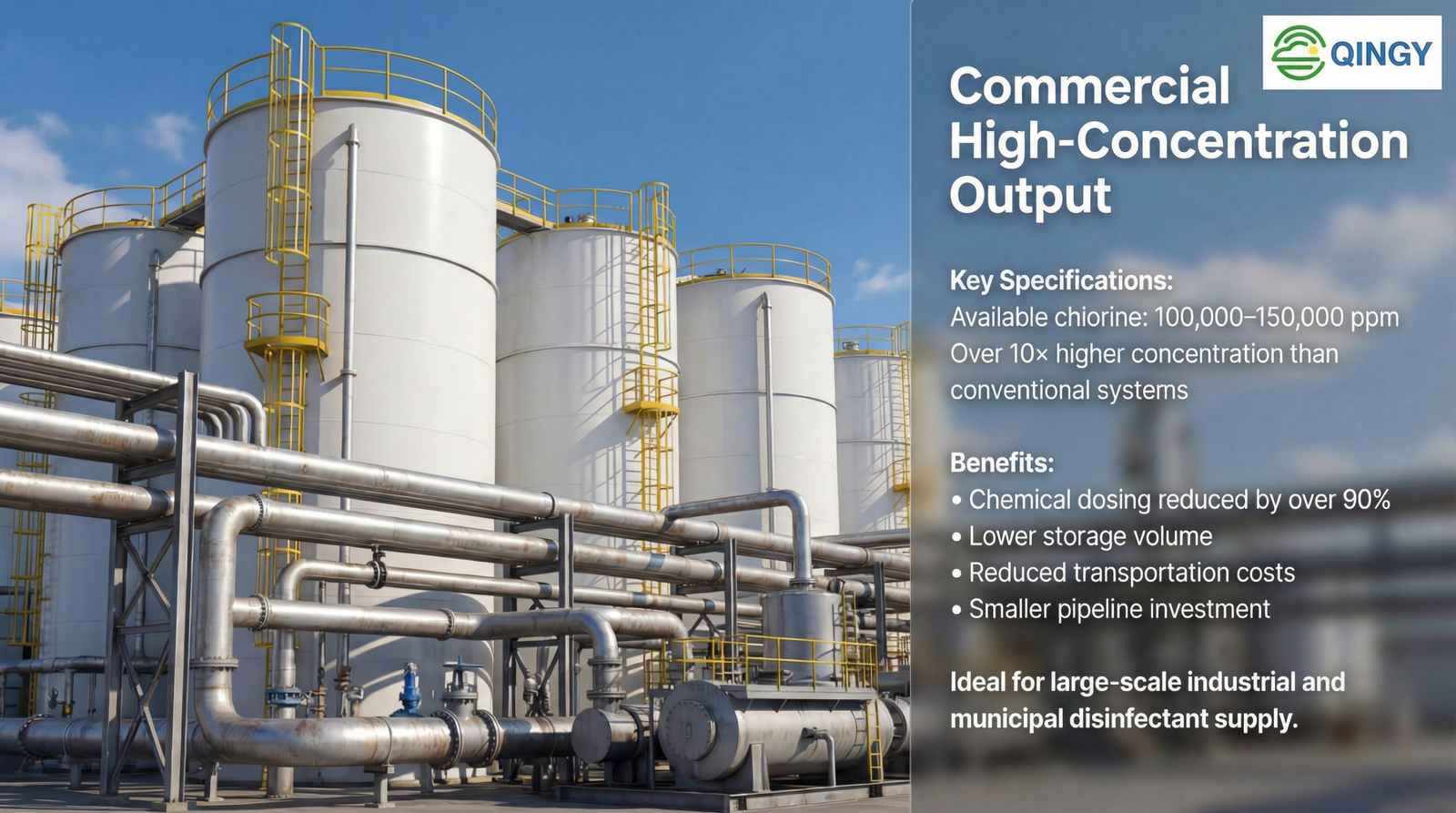
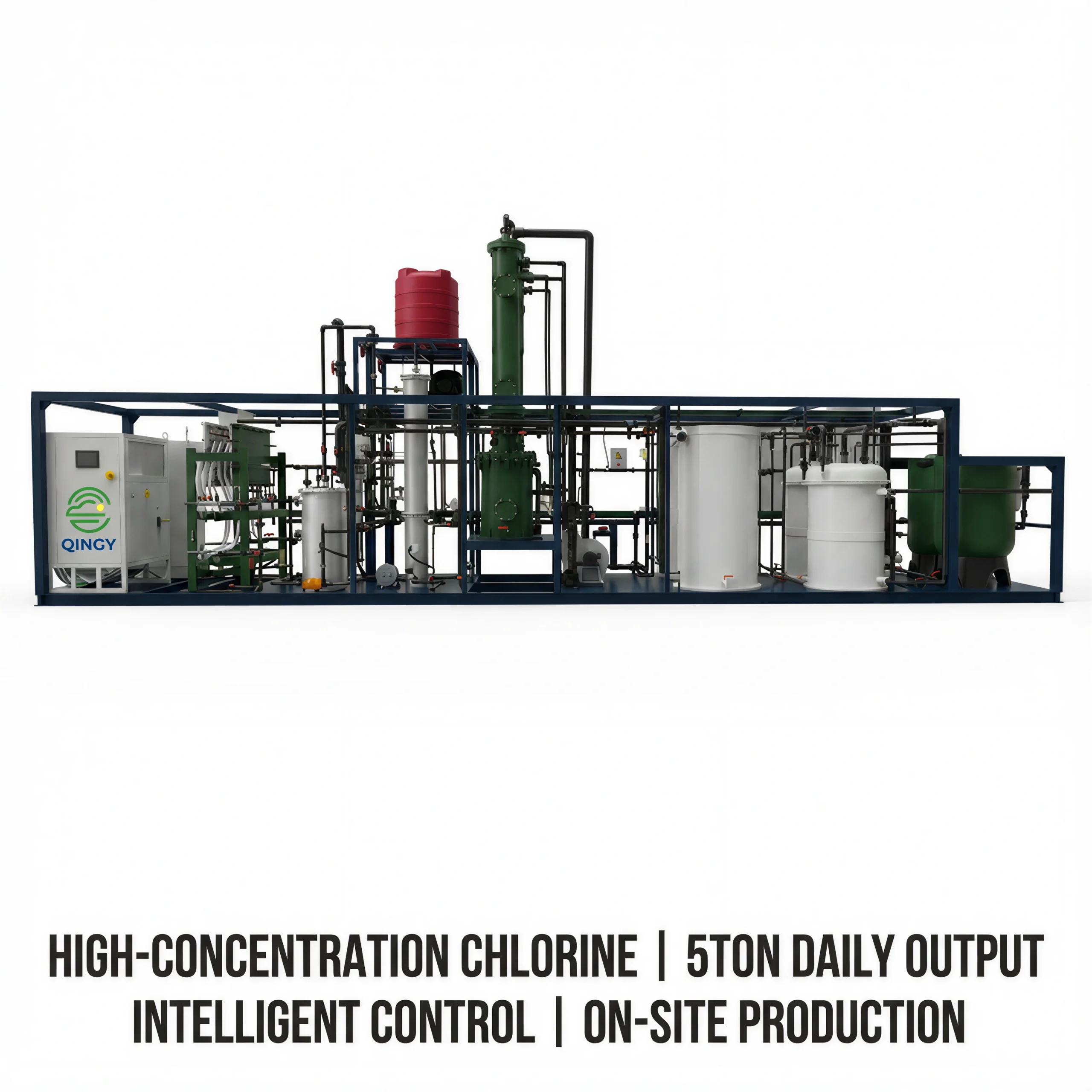
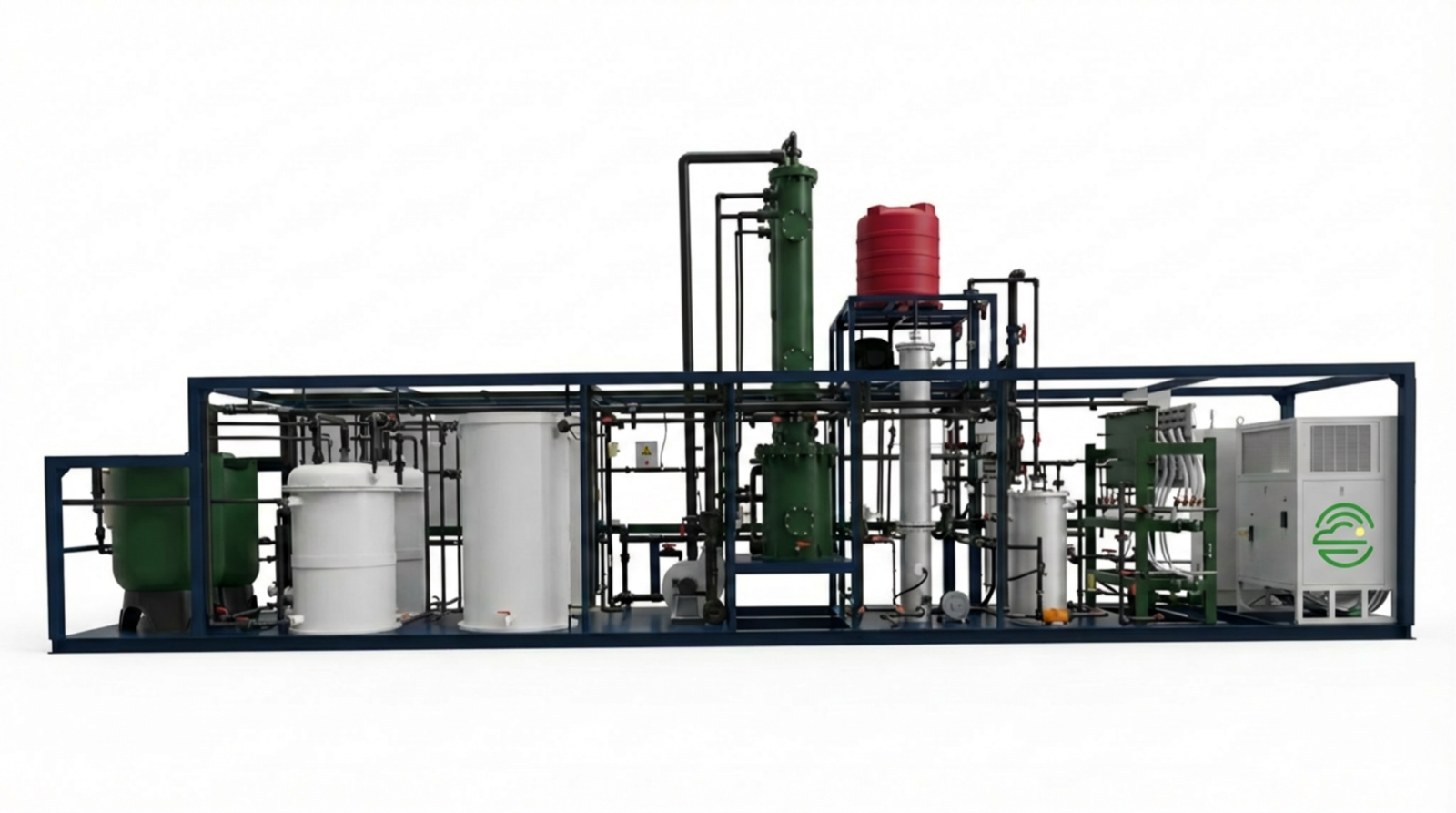
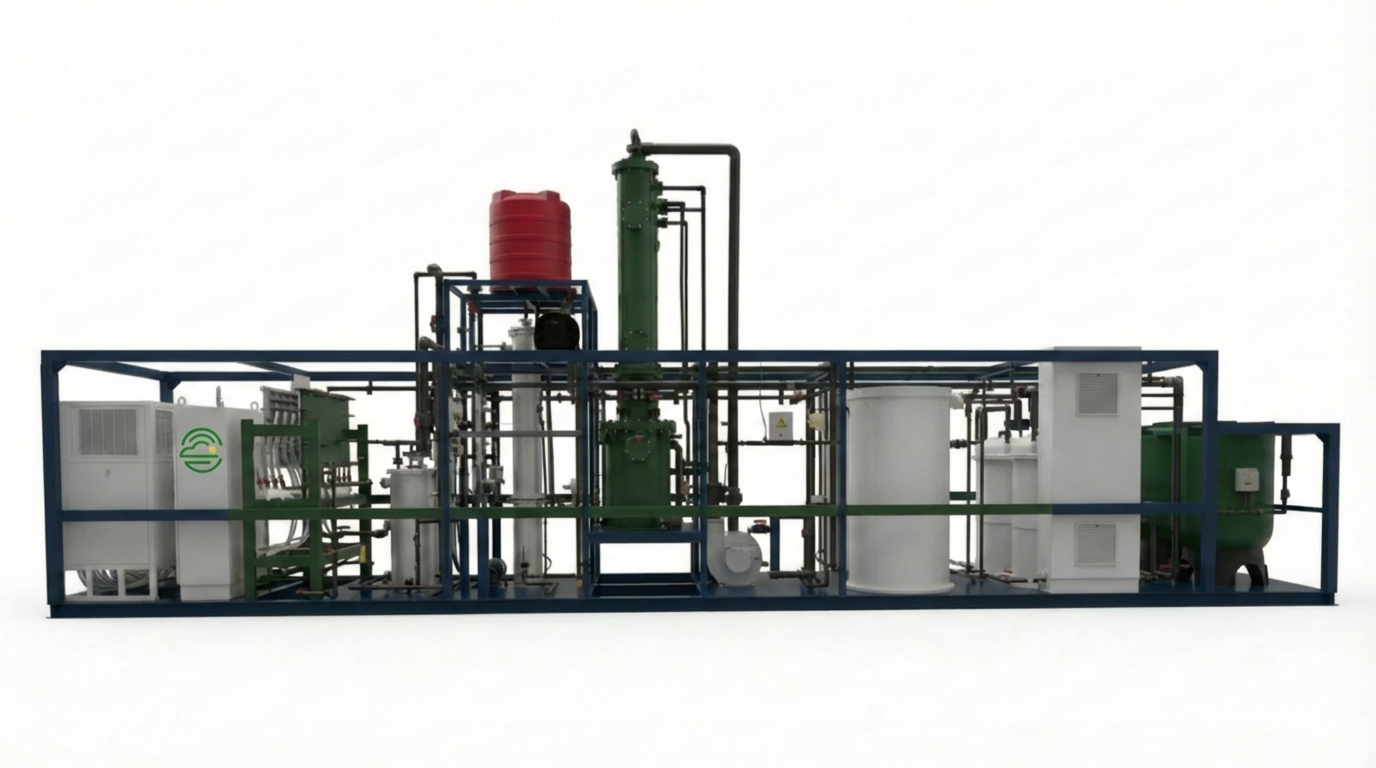
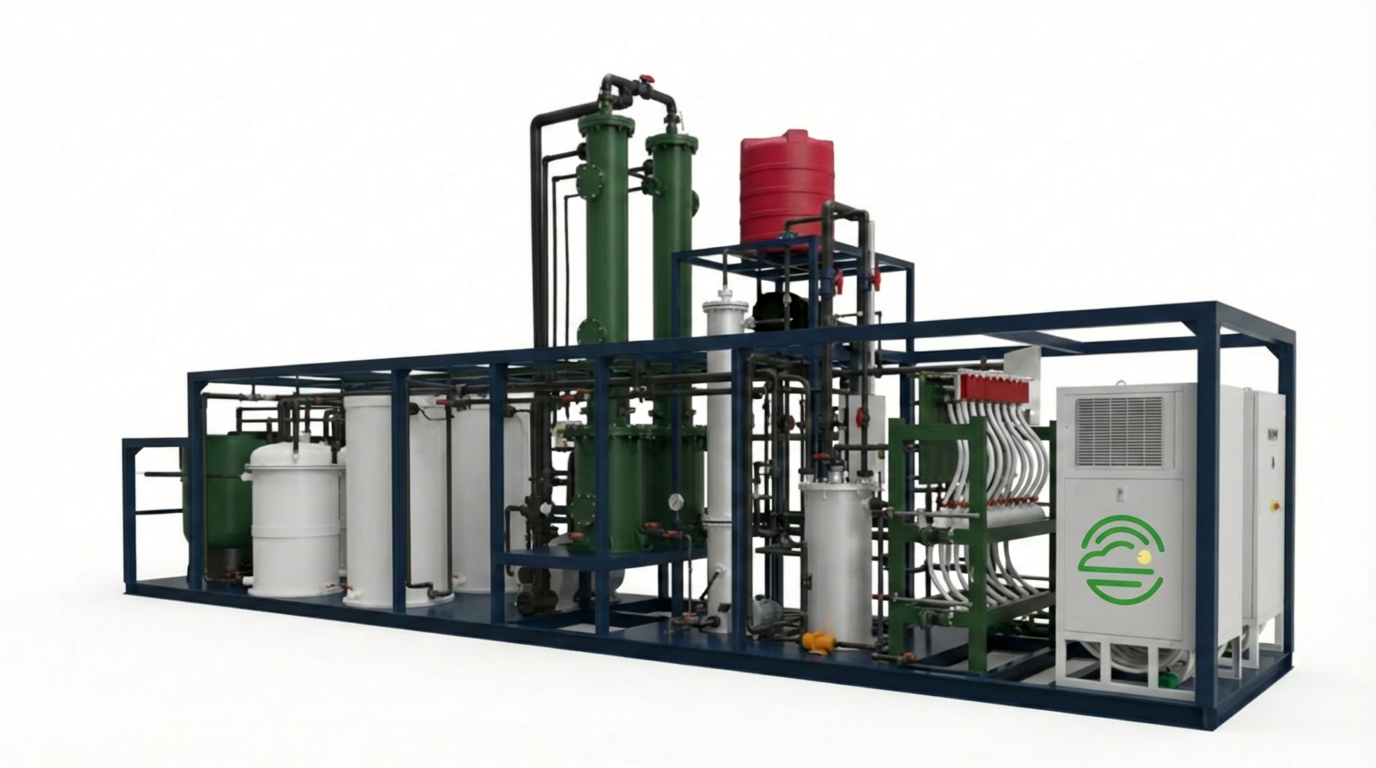
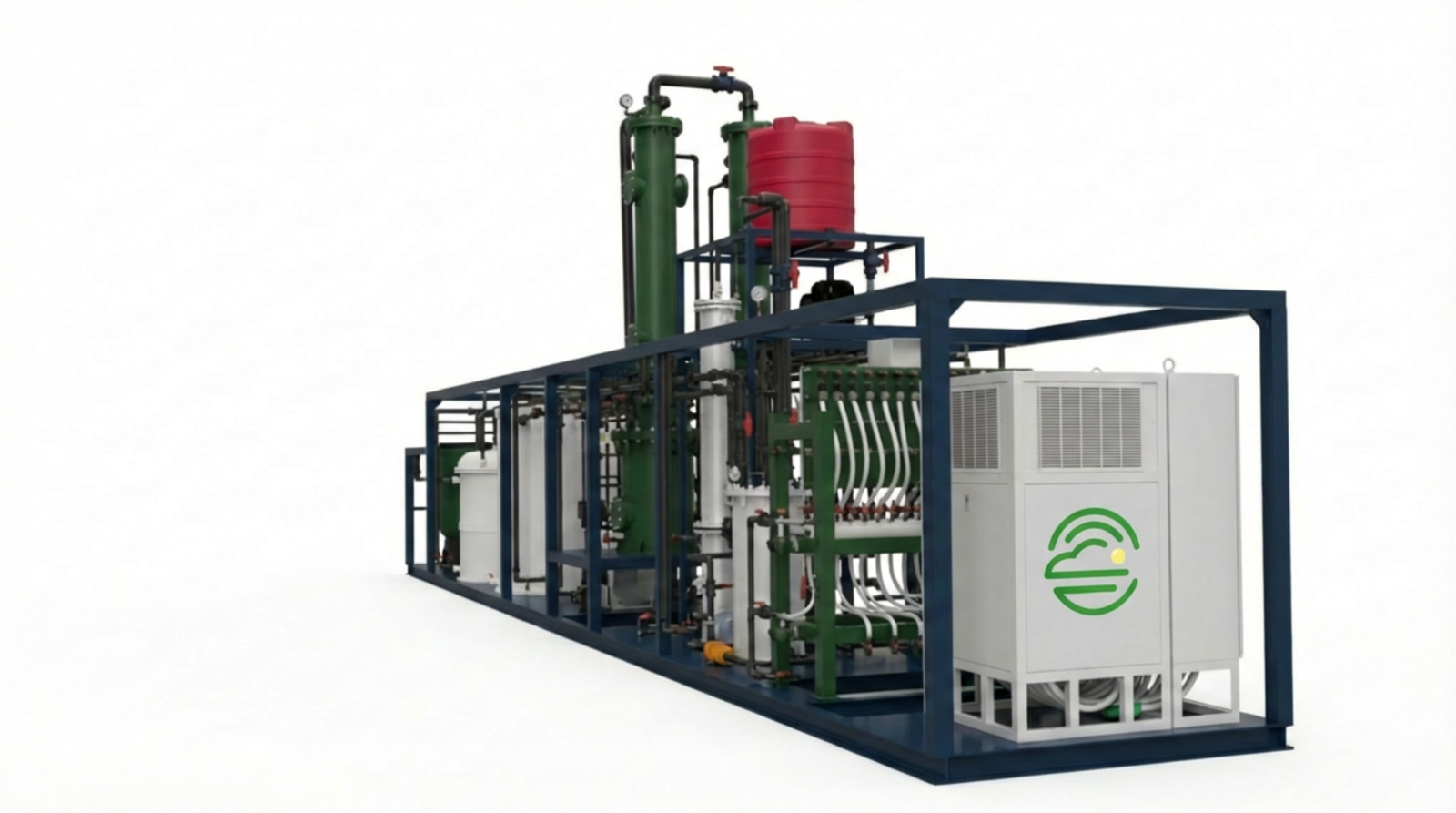
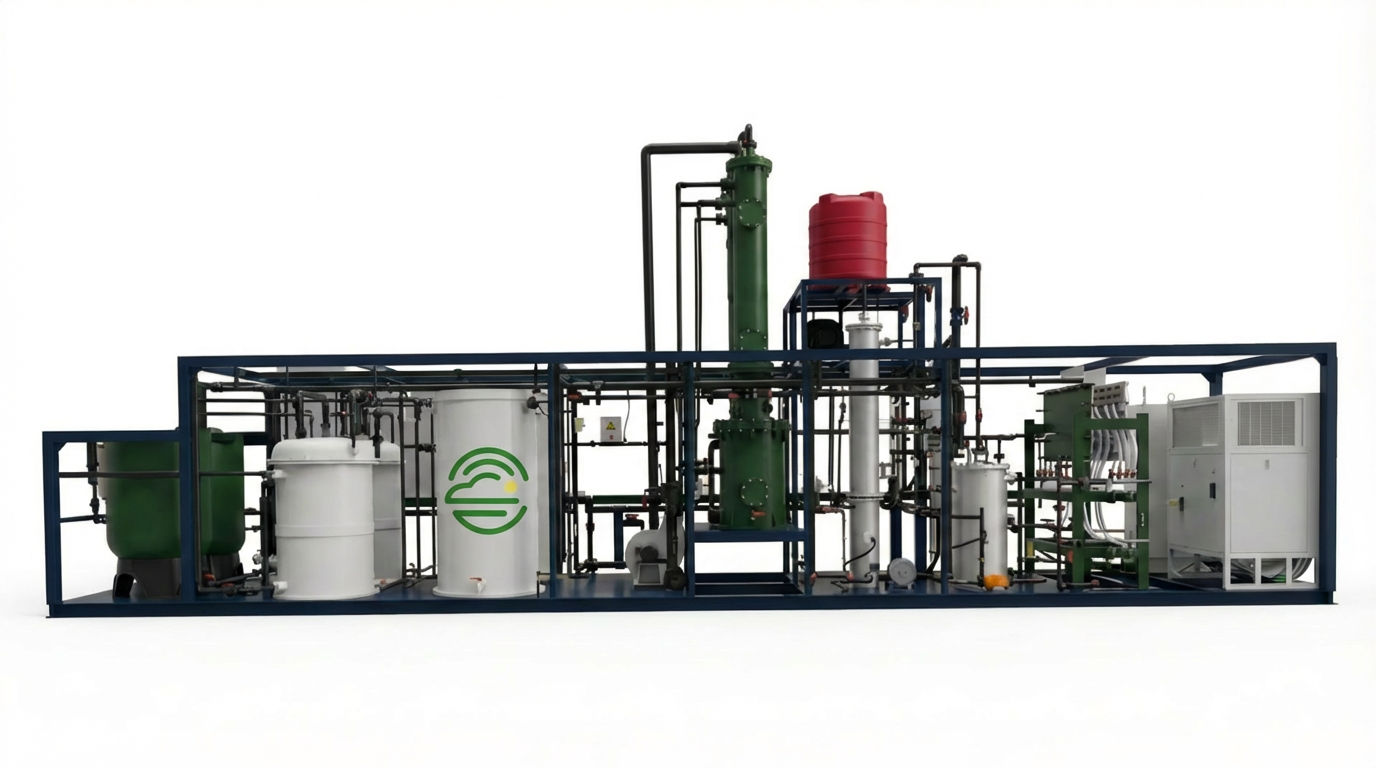
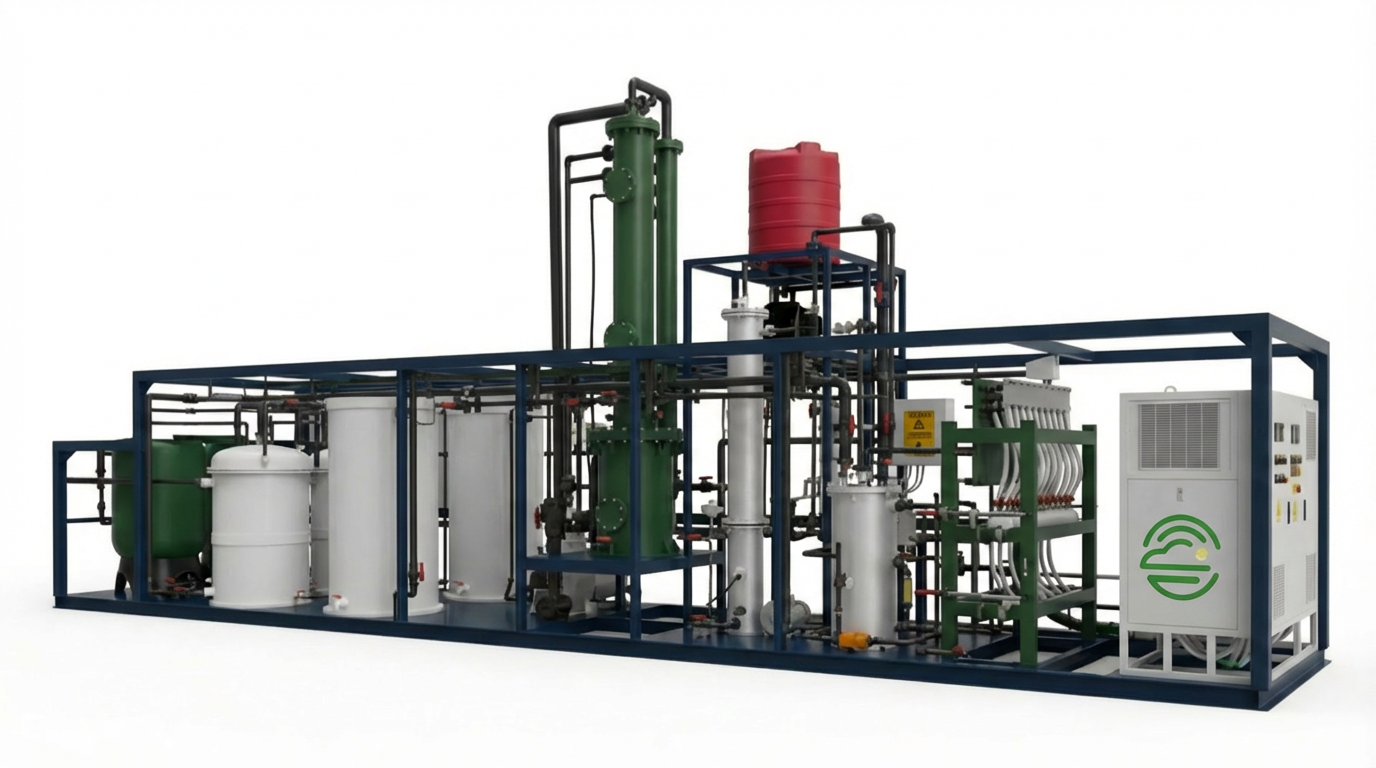
The QINGY 5 t/d high-strength sodium hypochlorite generator is engineered for large municipal water treatment plants and heavy industrial applications. Producing 10%–15% NaClO at approximately 5 kg/h (208 kg/h active chlorine), this industrial-grade system features dual electrolysis modules, advanced multi-zone cooling, and redundant PLC control for 24/7 uninterrupted operation.

Technical Specifications

Parameter Value
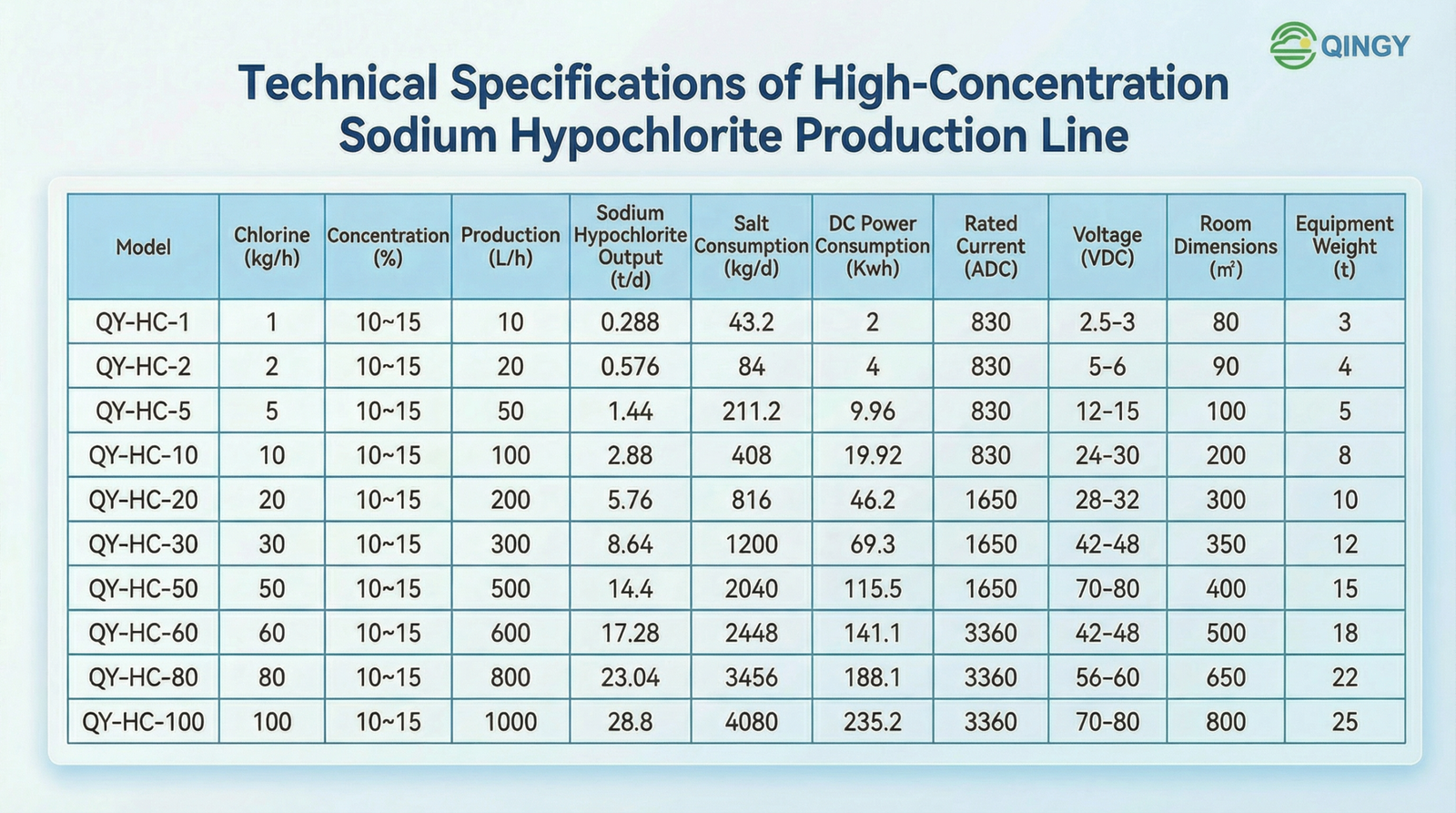
Production Capacity 5 tons/day (≈208 kg/h) of 10–15% NaClO
Active Chlorine Concentration 10%–15% (100–150 g/L)
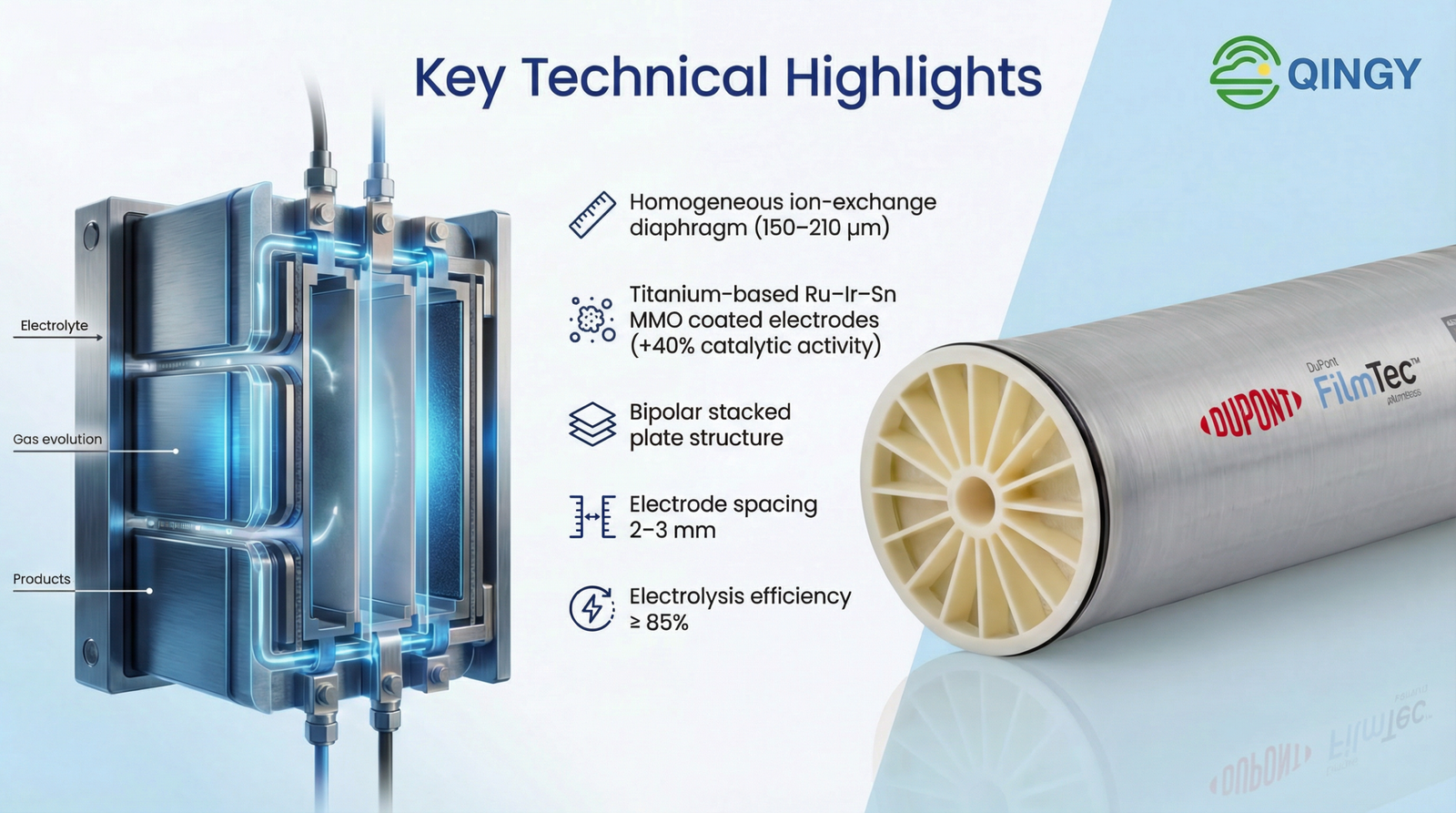
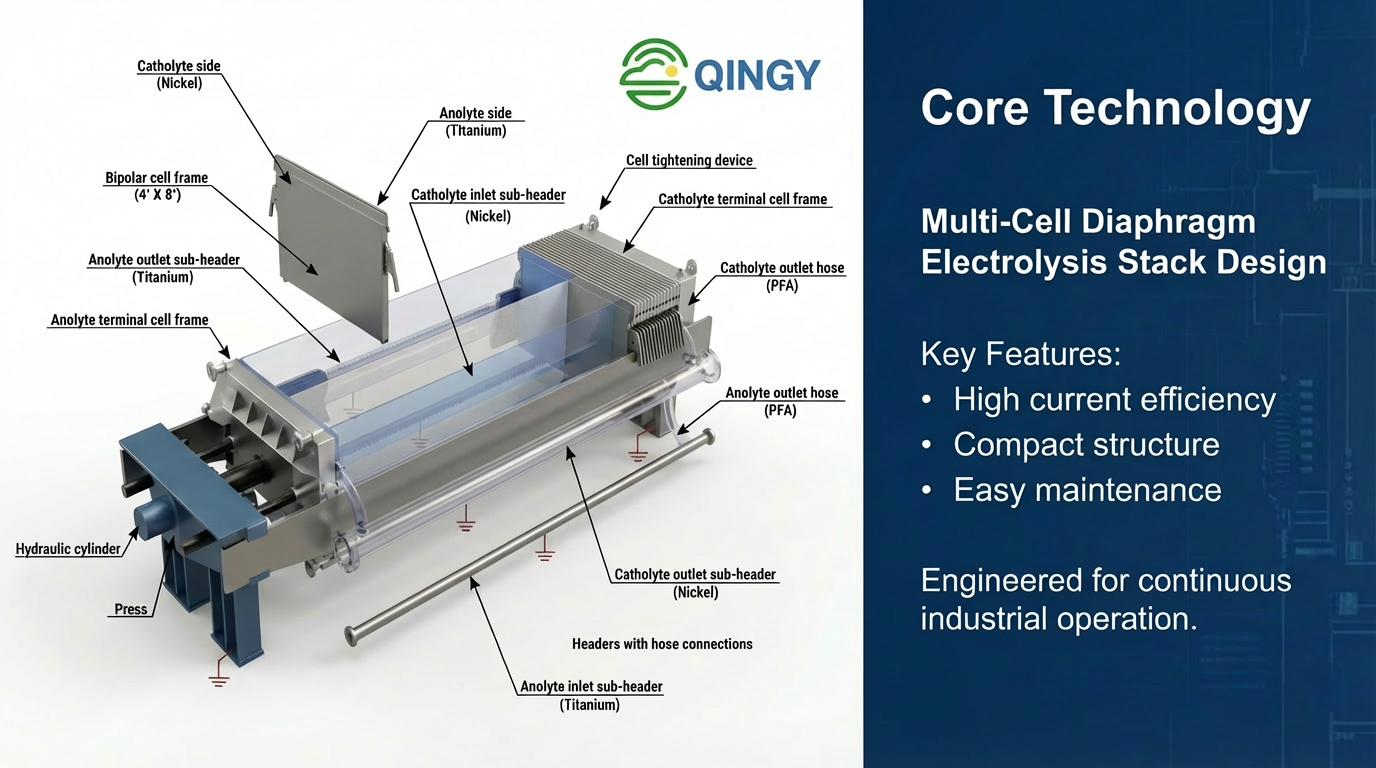
Electrolysis Method Dual-module membrane cell electrolysis
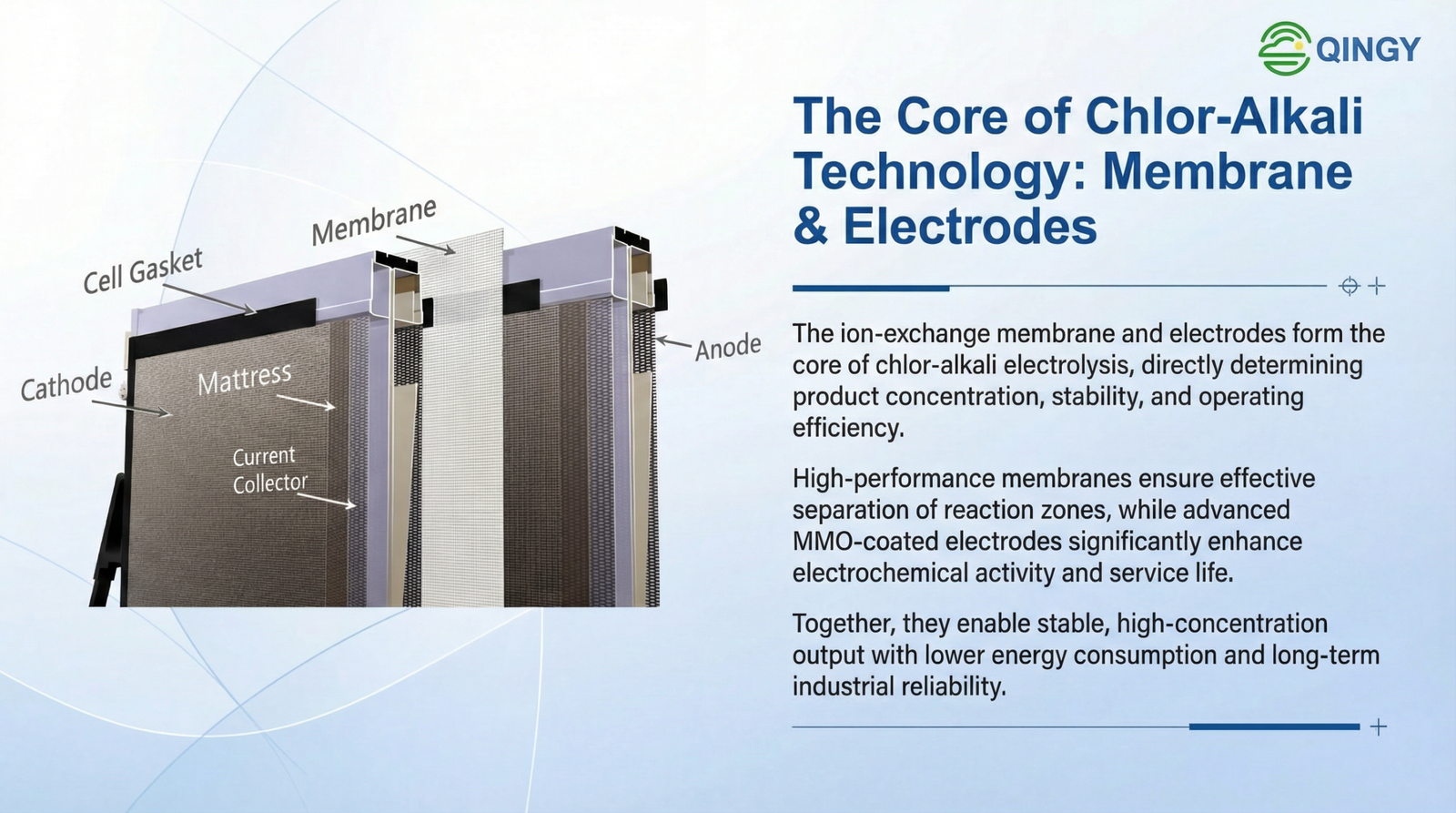
Electrode Material Titanium with RuO₂/IrO₂-MMCO coating (dual-coat process)
Salt Consumption ≈3.0 kg NaCl per kg Cl₂
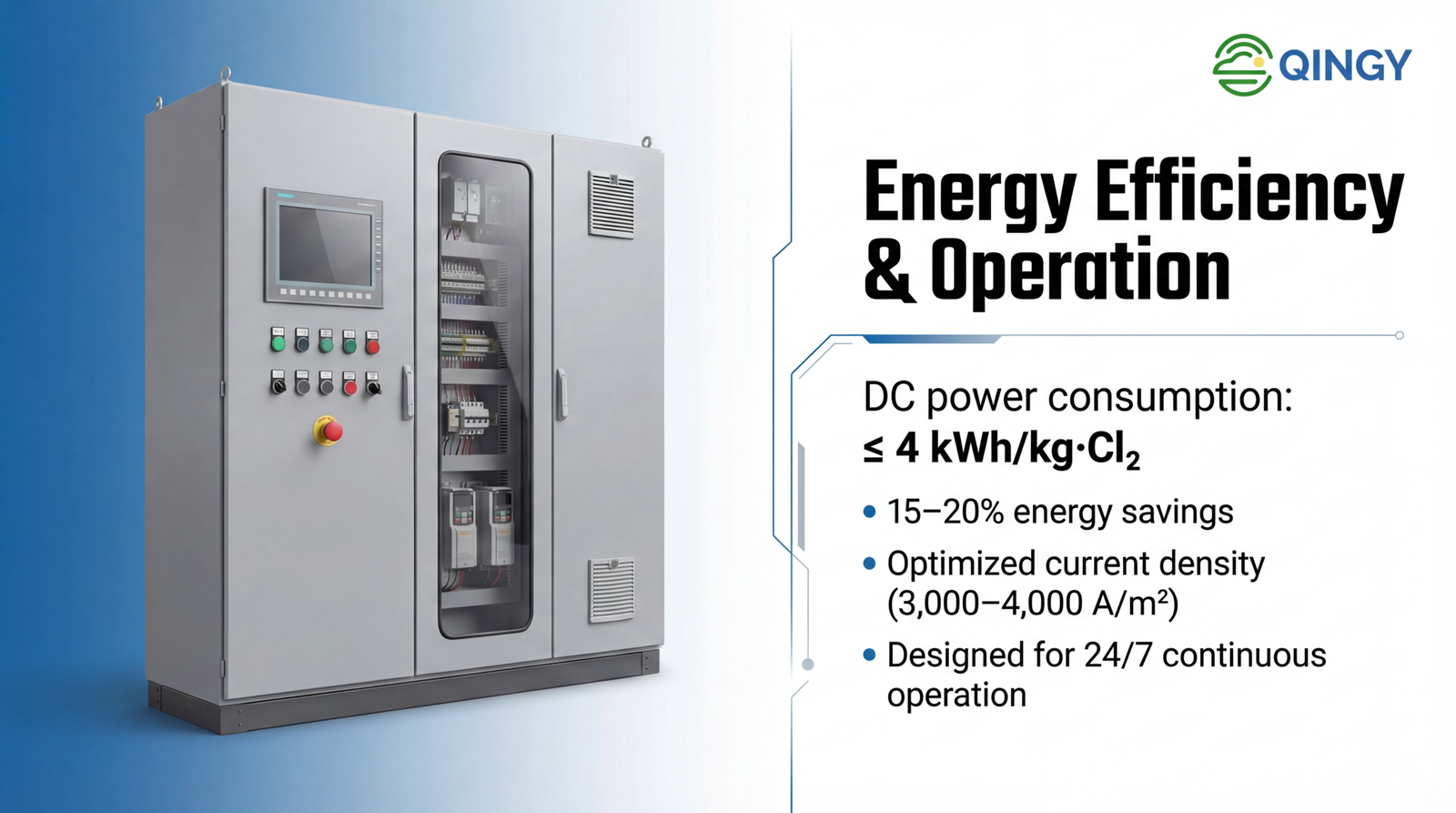
Power Consumption ≈4.2 kWh per kg Cl₂
Cooling System Dual-circuit plate heat exchanger with glycol backup
Control System Redundant PLC (Siemens S7-1200) + 12″ HMI, SCADA-ready
H₂ Management Dedicated H₂ separation and dilution system with gas detector
Footprint ≈15 m² (main skid: 6.0 × 2.5 × 2.6 m)
Weight (dry) ≈4,200 kg
Certifications CE, UL, IEC, NSF/ANSI 60, ATEX Zone 1/2

Why Choose the 5 t/d Model?

The 5 t/d model is the optimal choice when your daily chlorine demand exceeds 150 kg but you want to avoid installing multiple smaller units. Key advantages over scaling with smaller units:

  • Lower cost per kg Cl₂: Economies of scale reduce both capital cost and operating cost by 15–20% vs. two 3 t/d units.
  • Dual-module design: Each module operates independently – if one needs maintenance, the other continues at 50% capacity.
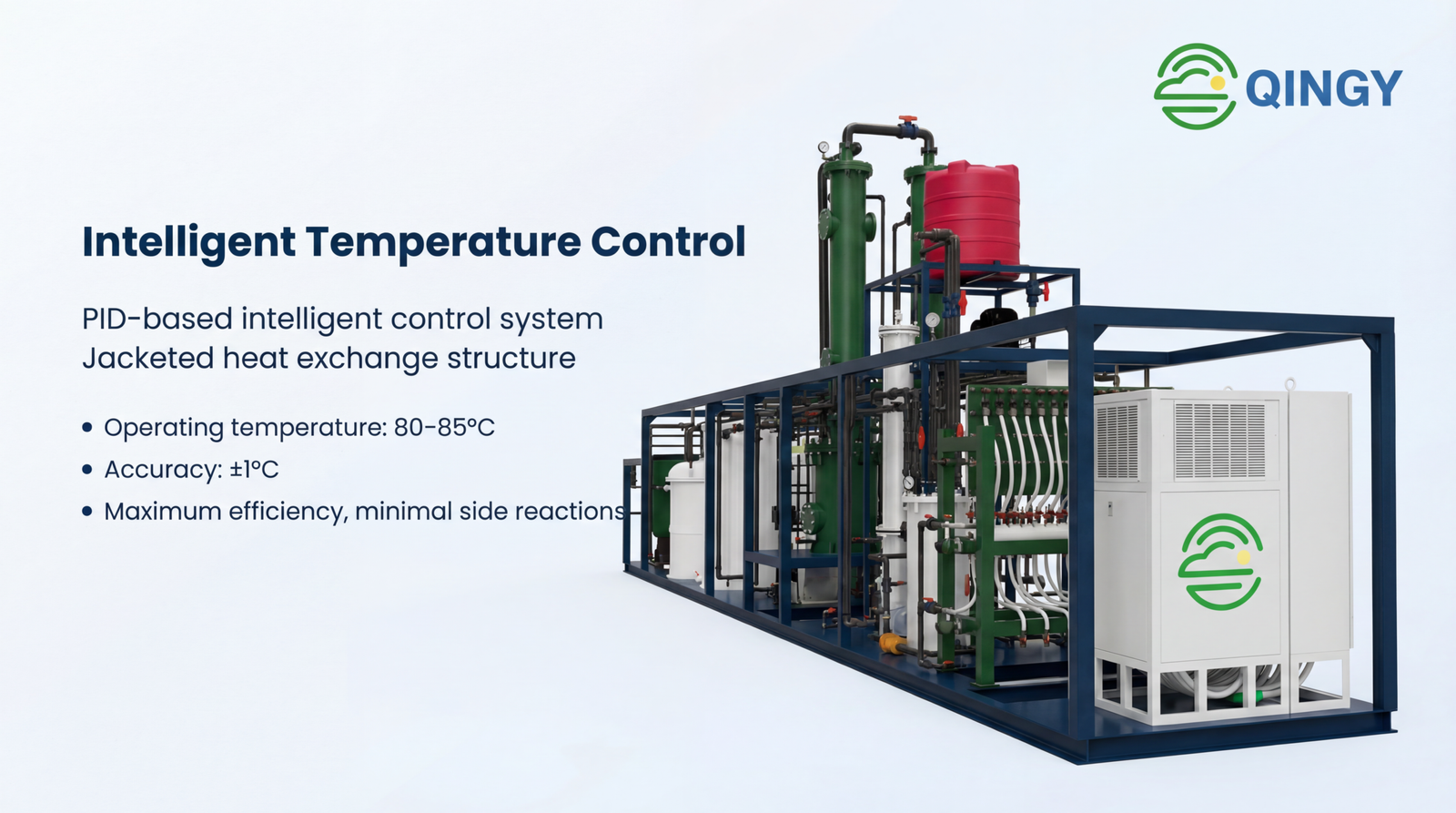
  • Multi-zone cooling: Advanced dual-circuit cooling maintains electrolyte temperature within ±1°C, maximizing electrode life and product consistency.
  • Redundant PLC: Hot-standby controller ensures zero downtime during controller faults or firmware updates.
  • Industrial-grade construction: 316L stainless steel frame, chemical-resistant coatings, and IP65-rated electrical enclosures for harsh environments.

Typical Applications

  • Large municipal water treatment plants (100,000–500,000 m³/d)
  • Power plant cooling water systems (once-through and recirculating)
  • Petroleum refinery process water and cooling tower disinfection
  • Pulp & paper mill water treatment
  • Mining and minerals processing water management
  • Large food processing facilities (meat, dairy, beverages)
  • Military and emergency response water purification

System Architecture

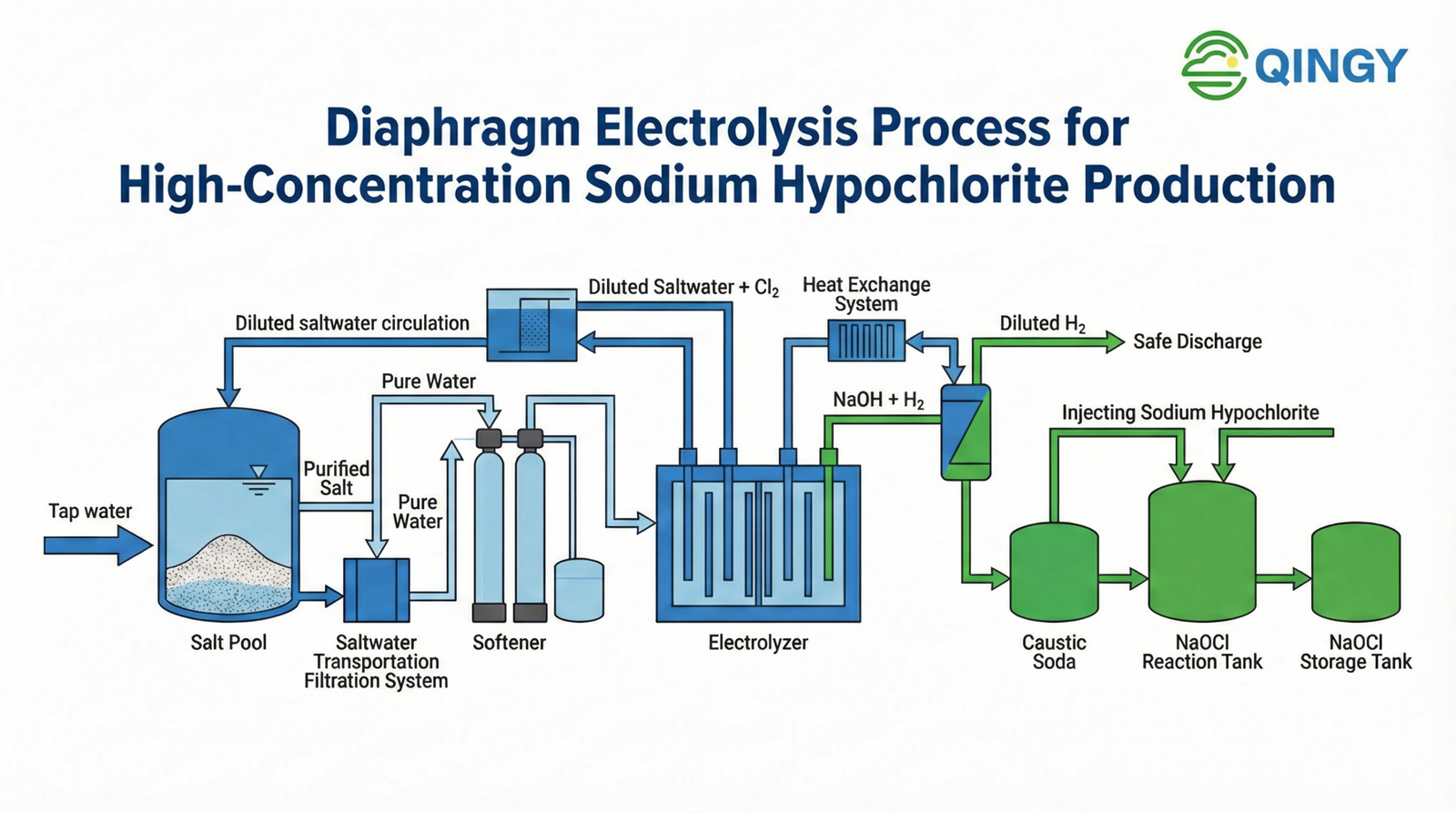
The 5 t/d system consists of five integrated sub-systems:

  1. Brine Making System: Automatic salt dissolver with brine concentration control (2.5–3.5% NaCl output).
  2. Water Treatment System: Two-stage water softener + multimedia filter ensures feed water hardness <0.5°dH.
  3. Electrolysis Module (×2): Each module contains 60–80 membrane cells in series, producing 2.5 t/d NaClO.
  4. Cooling & H₂ Management: Plate heat exchangers maintain 25–35°C electrolyte. H₂ gas separated, diluted below 1% LEL, and vented safely.
  5. Dosing & Control: Peristaltic dosing pump with flow-proportional control. PLC integrates with plant SCADA via Modbus TCP/OPC-UA.

ROI Comparison: 5 t/d On-Site vs. Delivered Chemical

Cost Item QINGY 5 t/d (On-Site) Delivered 12% NaClO
Capital cost (system + install) $85,000–120,000 $0
Salt cost (annual) $12,000 $0
Electricity (annual) $8,500 $0
Chemical purchase (annual) $0 $45,000
Transport/logistics (annual) $0 $8,000
Maintenance (annual) $3,000 $0
Labor (annual) $2,000 (0.1 FTE) $1,500
Total annual cost $25,500 $54,500
Payback period 2.0–2.8 years

Installation & Commissioning

  • Installation time: 7–10 days (including plumbing, electrical, controls integration)
  • QINGY provides remote commissioning support (video-guided) or optional on-site engineer
  • Factory Acceptance Test (FAT) performed before shipment – witnessed by client if desired
  • Site Acceptance Test (SAT) with 72-hour continuous operation verification

FAQ

Can the dual modules operate independently?

Yes. Each module has its own power supply, cooling circuit, and control logic. During maintenance, one module can be isolated while the other continues at 50% output, ensuring continuous (reduced) disinfection.

What is the expected electrode lifespan?

With the dual-coat RuO₂/IrO₂ process and controlled operating temperature (25–35°C), electrodes typically last 10–15 years before recoating is needed. Our electrode recoating service costs approximately 30% of new electrode replacement.

Is explosion-proof certification available?

Yes. The 5 t/d model can be configured with ATEX Zone 1/2 certified electrical components for installation in classified hazardous areas. This is common in petroleum and chemical plant installations.