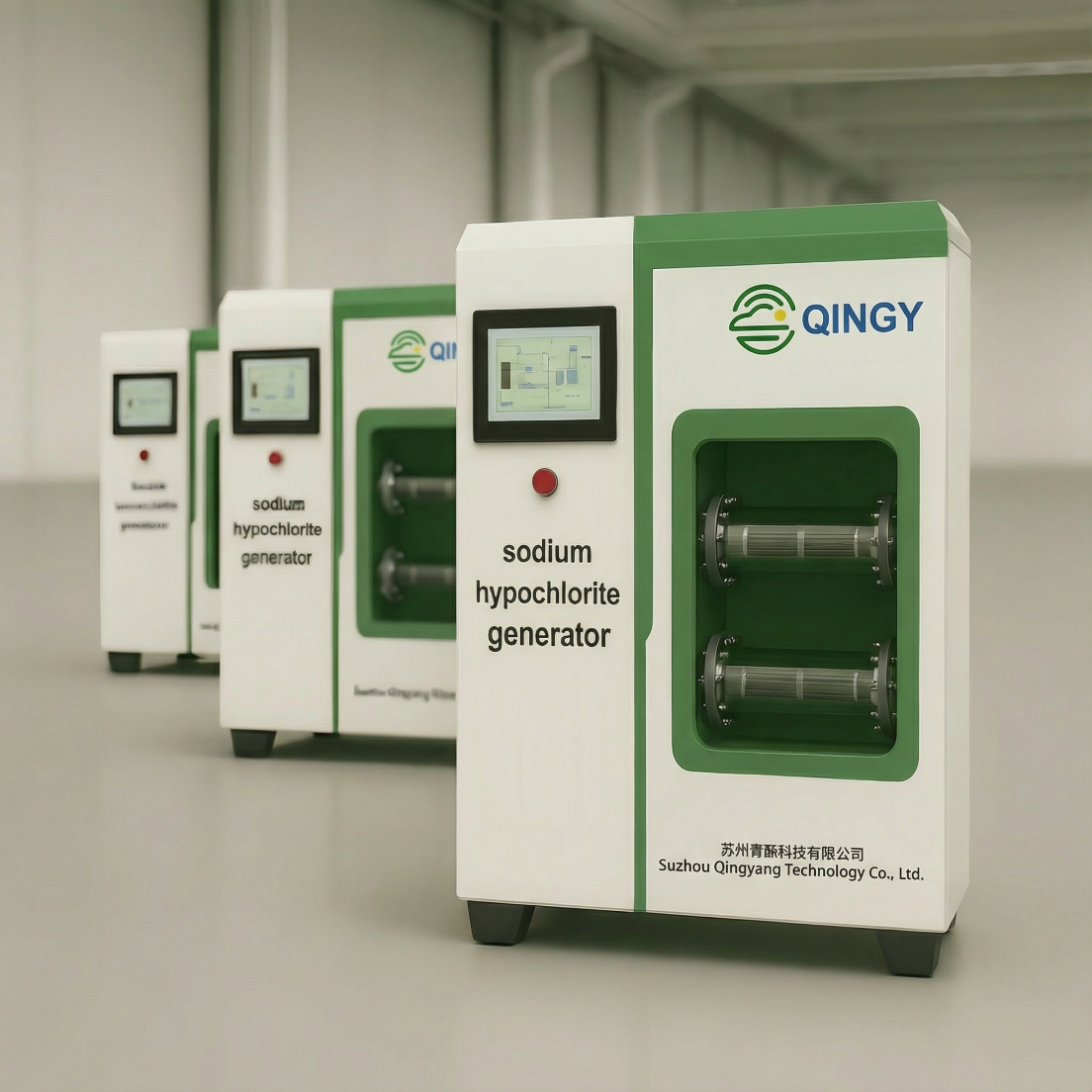
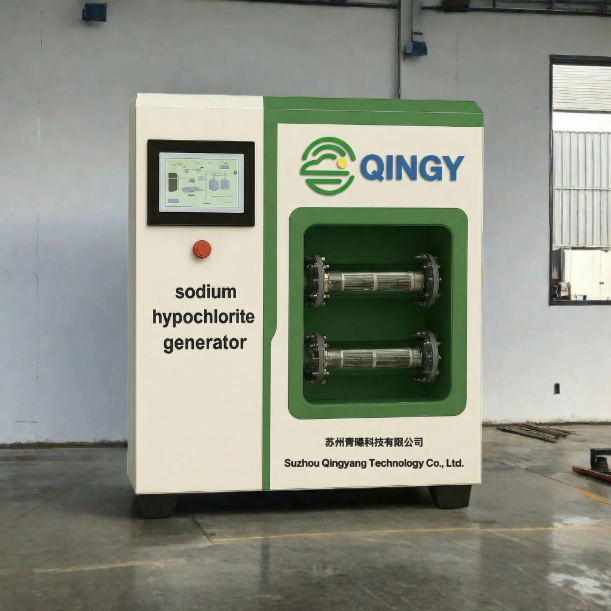
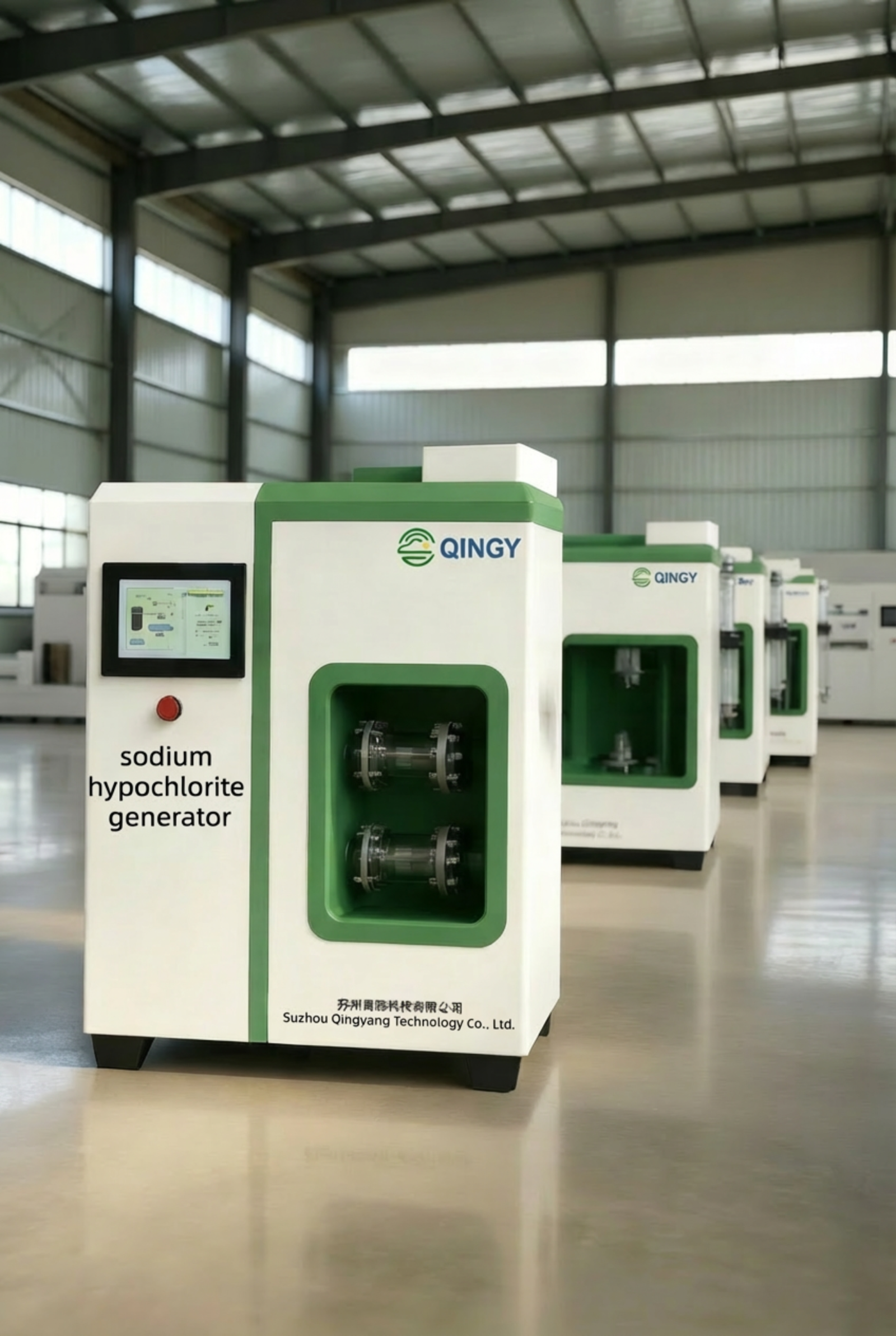
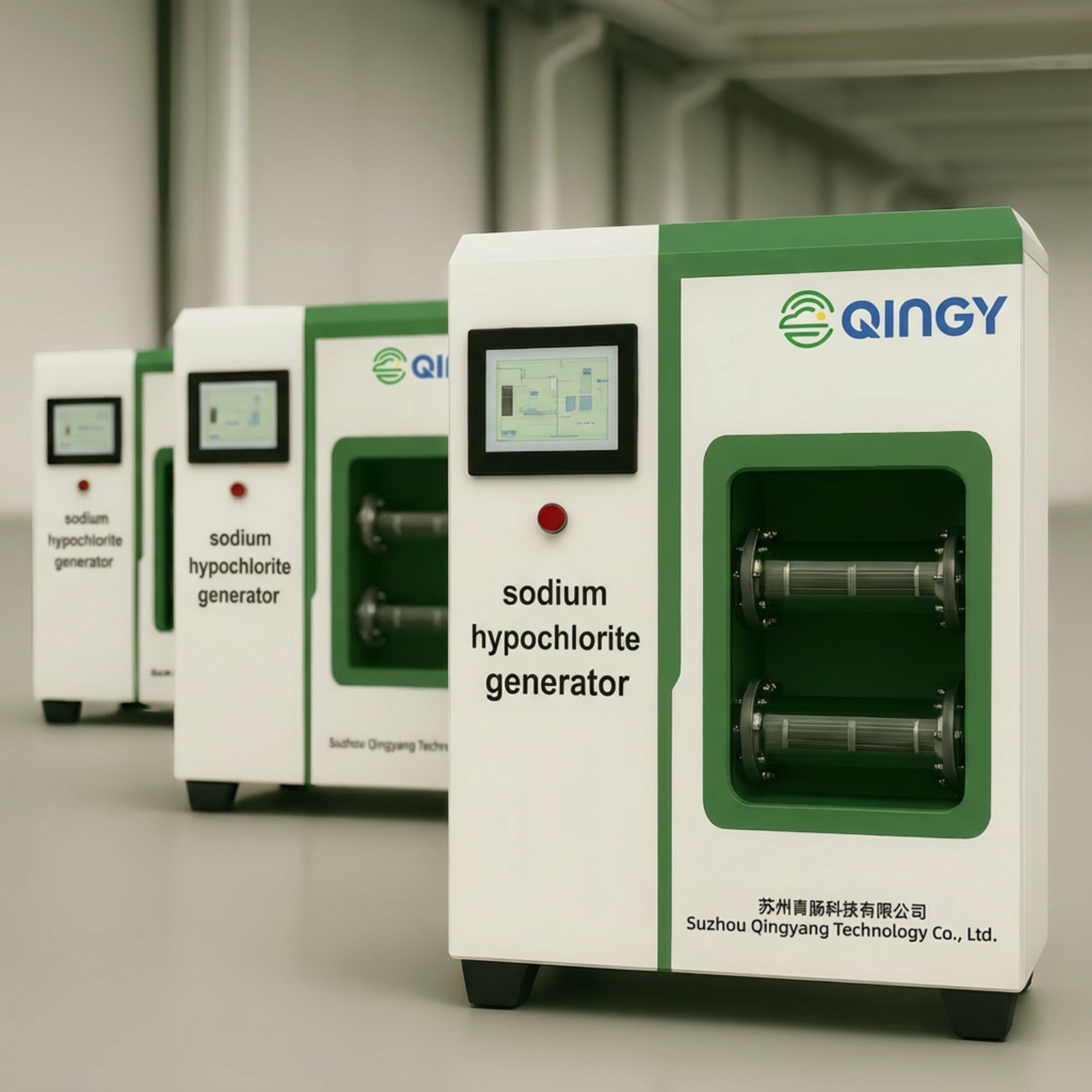
Brine Electrolysis Chlorine Generation System

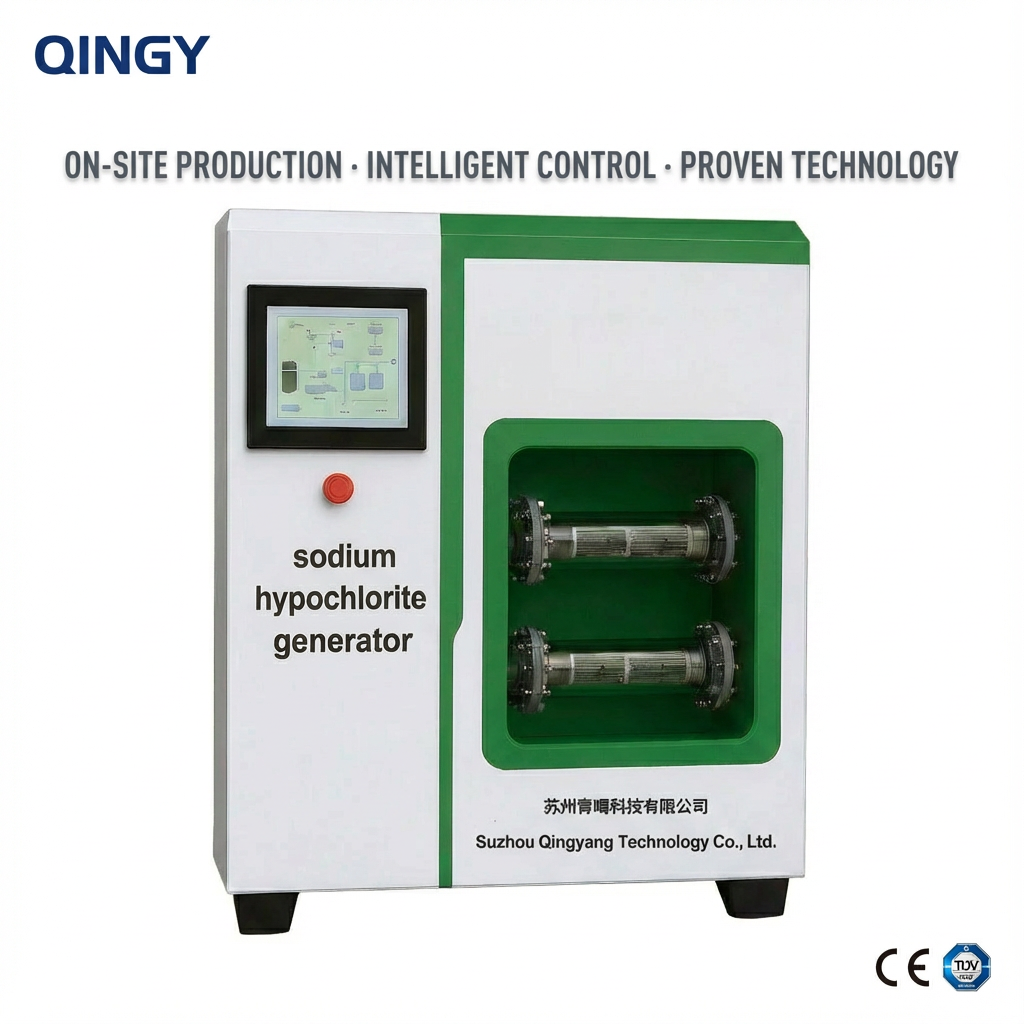
Complete brine electrolysis chlorine generation system. Converts salt + water into 10-15% NaClO via membrane electrolysis. Turnkey solution for municipal and industrial water disinfection.

Product Details

Brine Electrolysis Chlorine Generation System – Overview

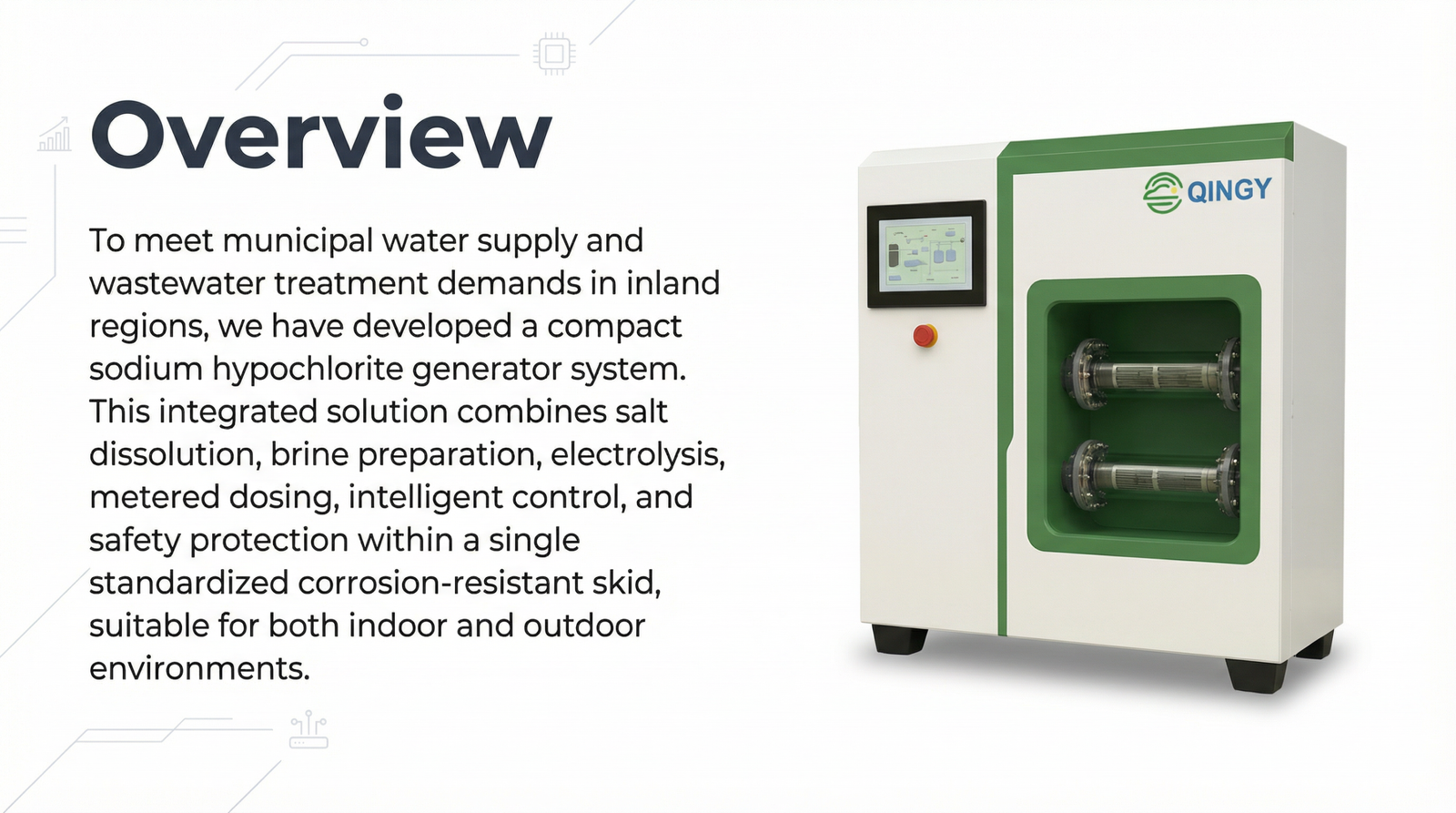
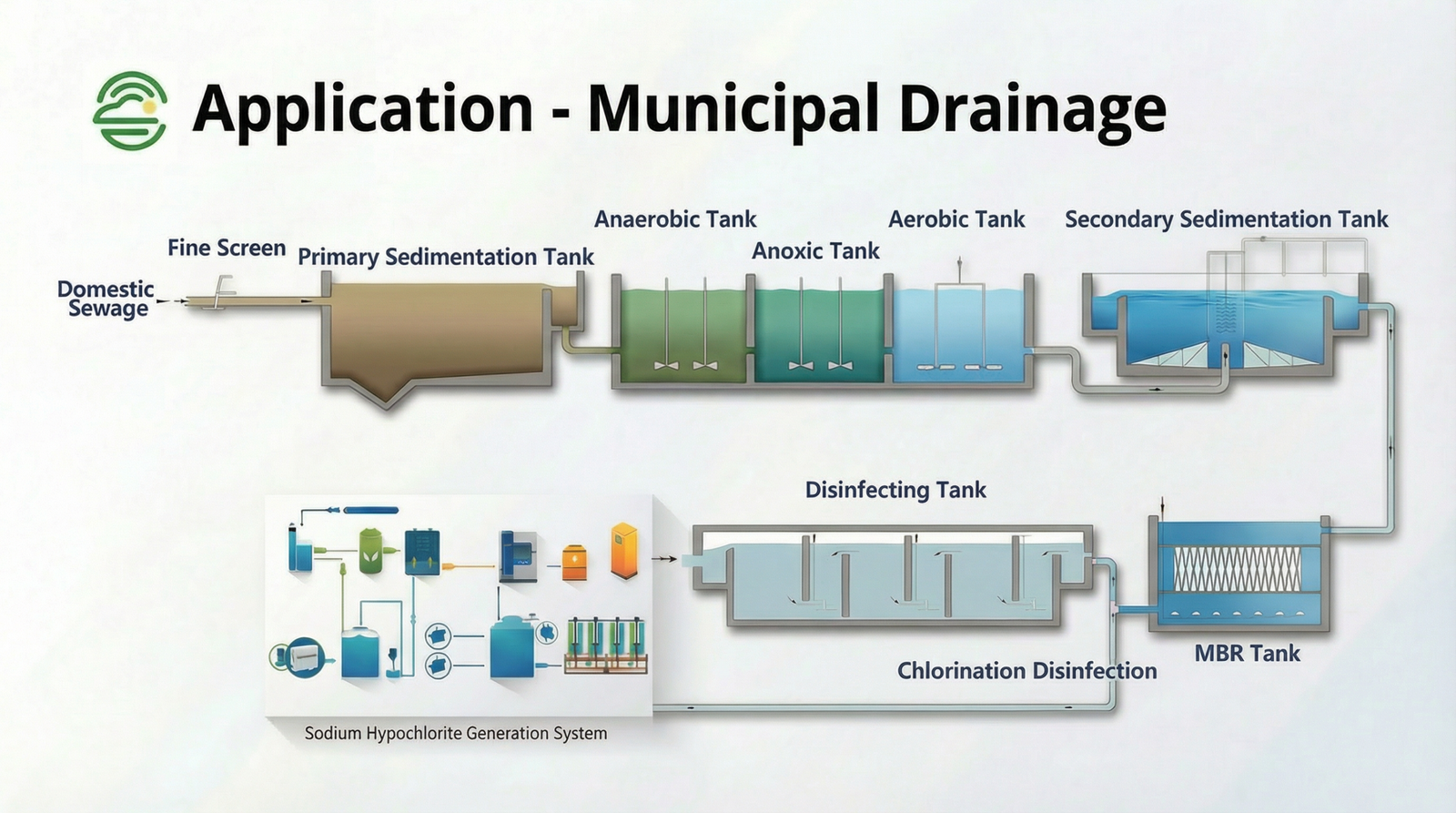
QINGY’s brine electrolysis chlorine generation system converts common salt (NaCl) and water into high-concentration sodium hypochlorite (10%–15% NaClO) through membrane electrolysis. This complete system includes brine preparation, water softening, electrolysis modules, cooling, H₂ management, storage, and automated dosing — everything needed for safe, reliable, on-site chlorine generation without handling hazardous chemicals.

System Components

Sub-System Function Key Components
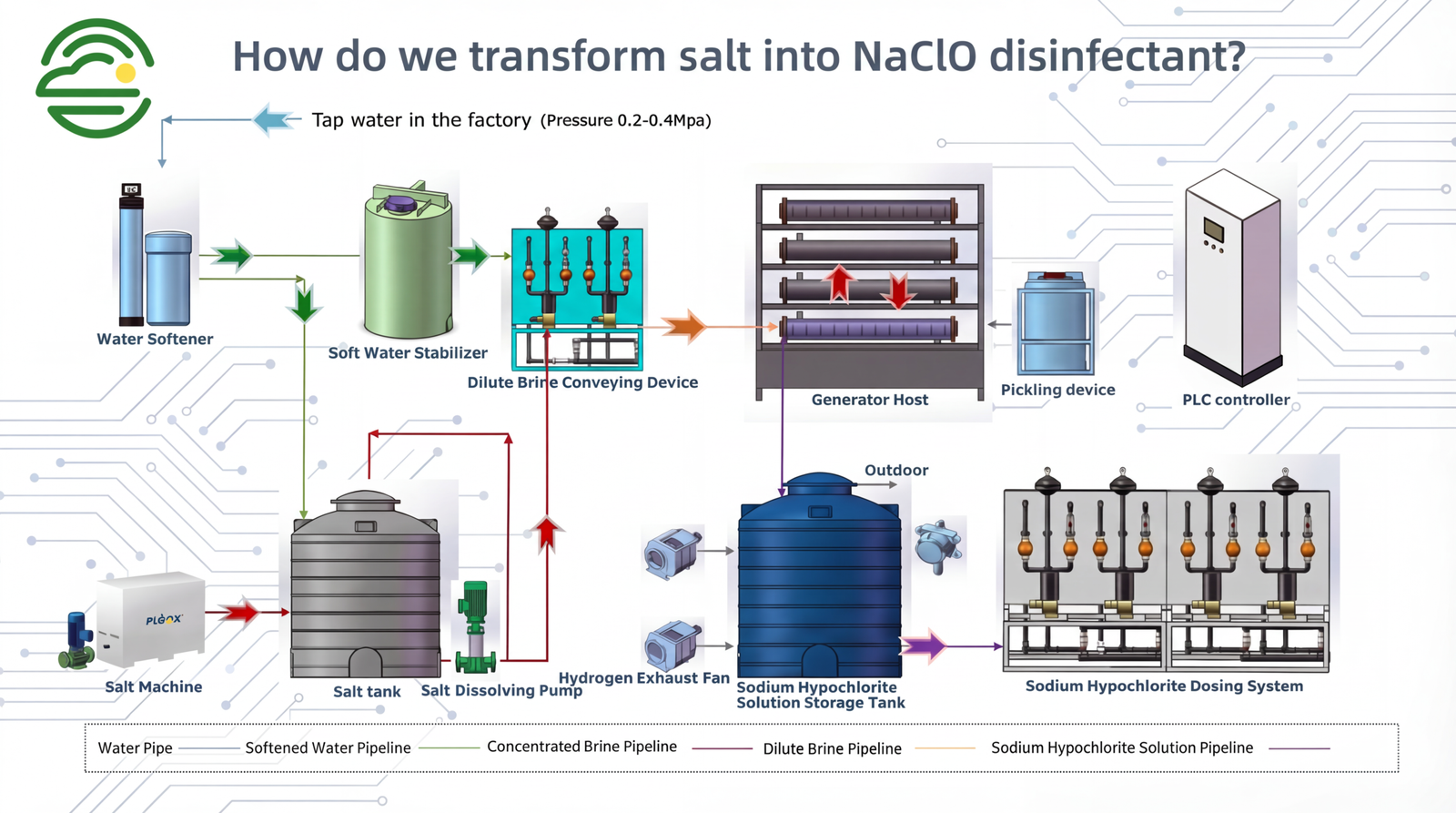
Brine Making Dissolve salt to create saturated brine Automatic salt dissolver, brine tank, transfer pump
Water Treatment Soften feed water to protect electrodes Ion exchange softener, multimedia filter, cartridge filter
Brine Dilution Dilute saturated brine to optimal concentration Dosing pump, flow meter, mixing valve
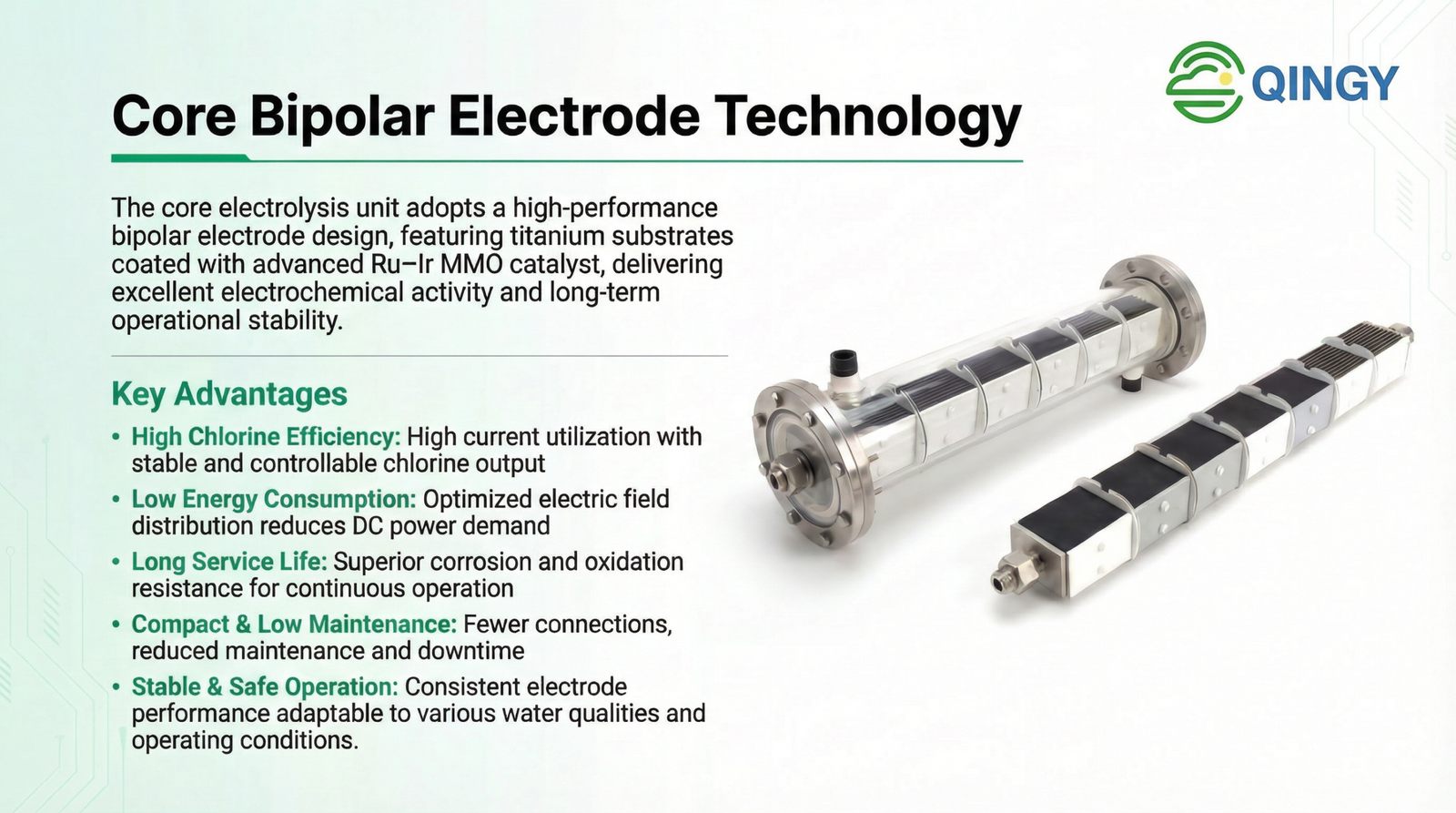
Electrolysis Convert NaCl → NaClO via DC current Membrane cell stack, DC power supply, titanium electrodes
Cooling Remove heat from electrolysis reaction Plate heat exchanger, chilled water loop, temperature controller
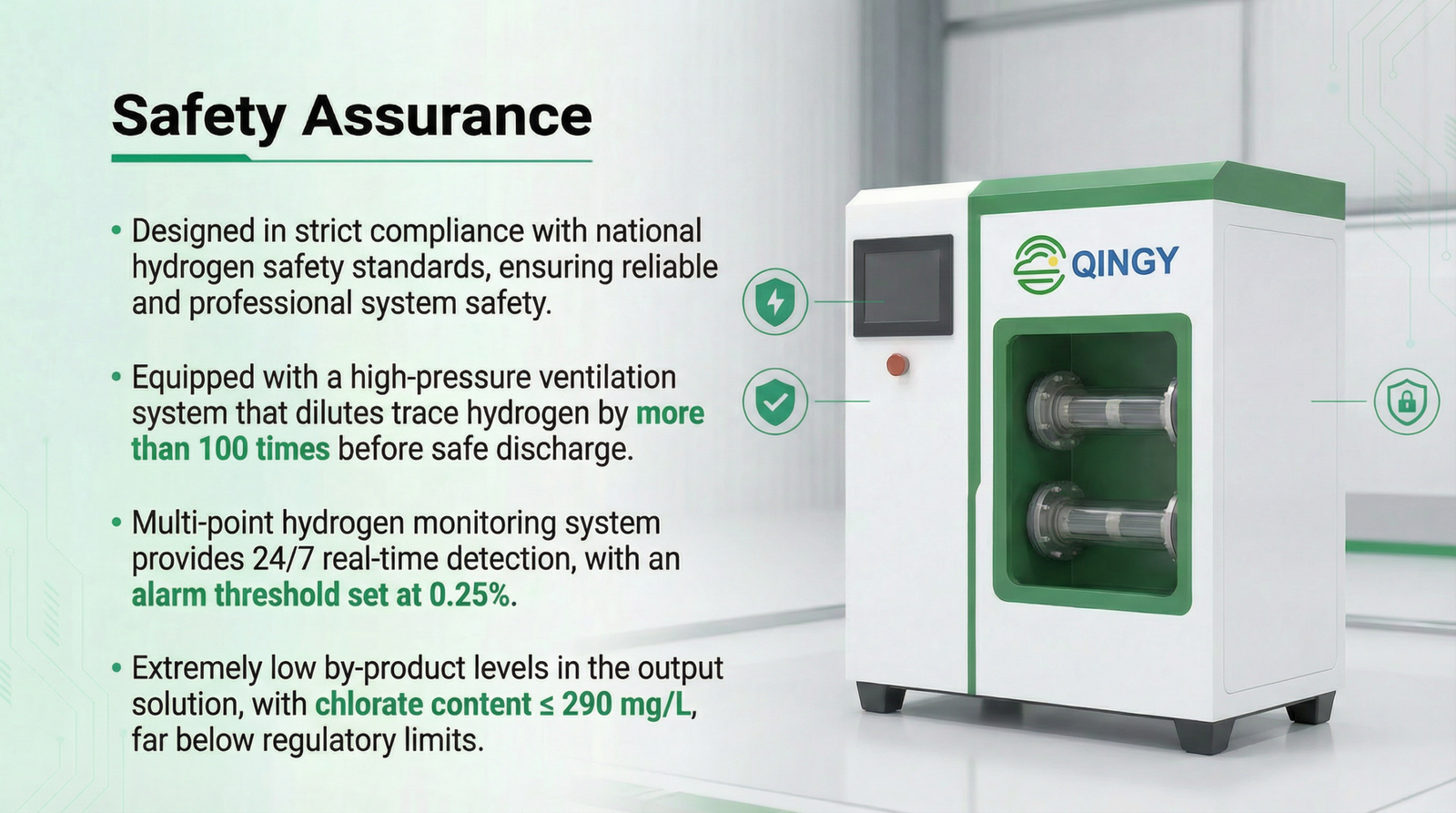
H₂ Management Safely separate and vent hydrogen gas Gas-liquid separator, H₂ detector, forced ventilation
Storage & Dosing Store NaClO and dose into process water HDPE storage tank (3–10 m³), peristaltic dosing pump, flow tracker
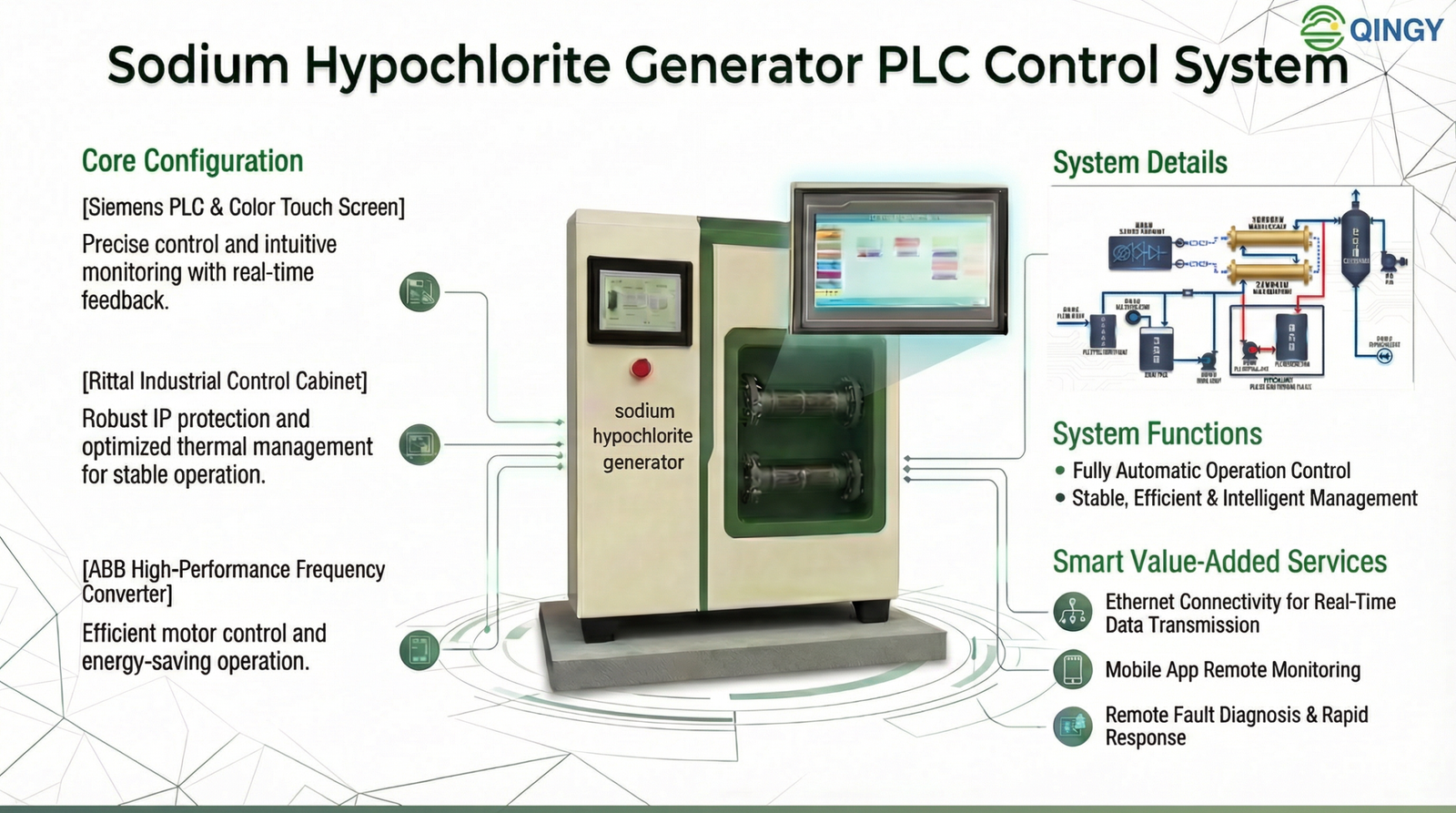
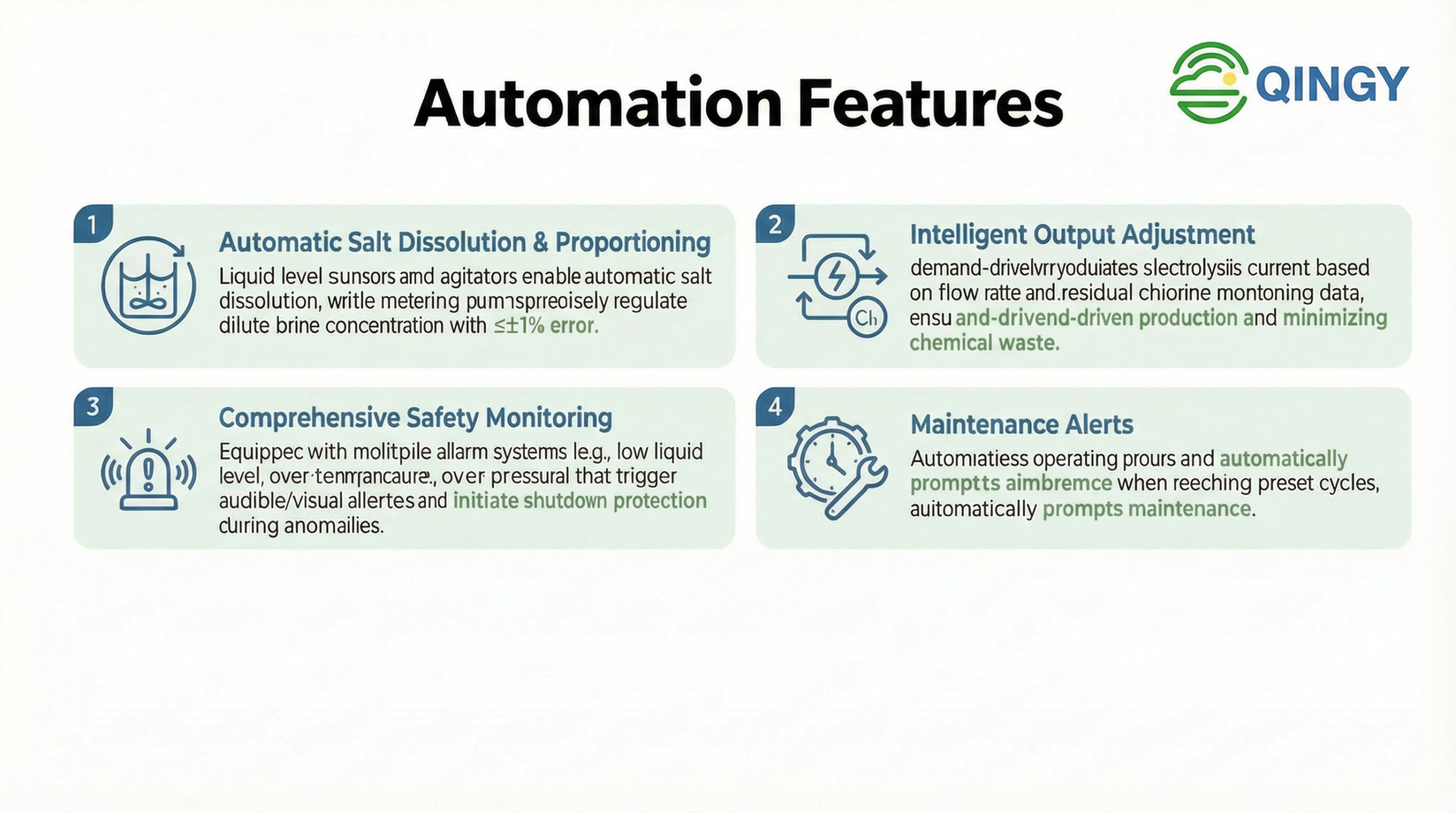
Control Automate all processes, monitoring, alarms PLC + HMI, Modbus/SCADA, optional cloud monitoring

How Brine Electrolysis Works

The fundamental chemistry is simple and proven:

NaCl + H₂O → NaClO + H₂↑ (driven by DC electric current)

In practice, the process involves several carefully controlled stages:

  1. Salt Dissolution: Food-grade NaCl (≥99.5% purity) is automatically dissolved in water to create saturated brine (~300 g/L).
  2. Water Softening: Feed water passes through an ion exchange softener to remove calcium and magnesium ions (hardness <1°dH), preventing scale formation on electrodes.
  3. Dilution: Saturated brine is diluted to 2.5–3.5% NaCl — the optimal concentration for membrane electrolysis.
  4. Electrolysis: Dilute brine flows through the membrane cell stack. At the anode, chloride ions are oxidized to chlorine gas, which immediately reacts with water to form hypochlorous acid (HOCl). At the cathode, water is reduced to hydrogen gas and sodium hydroxide (NaOH). The HOCl and NaOH combine to form sodium hypochlorite (NaClO).
  5. Product Collection: The 10–15% NaClO product flows to the storage tank. Hydrogen gas is safely separated, diluted, and vented above roof level.

Why Membrane Technology?

QINGY exclusively uses membrane electrolysis technology because it delivers:

  • Higher concentration: 10–15% NaClO vs. 0.3–0.8% from non-membrane systems
  • Lower chlorate: <5 g/L vs. 15–30 g/L, meaning longer product shelf life
  • Better energy efficiency: 4.0–4.5 kWh/kg Cl₂ vs. 6–10 kWh/kg Cl₂
  • Longer electrode life: Controlled environment extends electrode coating to 8–15 years
  • Less maintenance: Minimal scaling and fouling due to controlled operating conditions

Applications

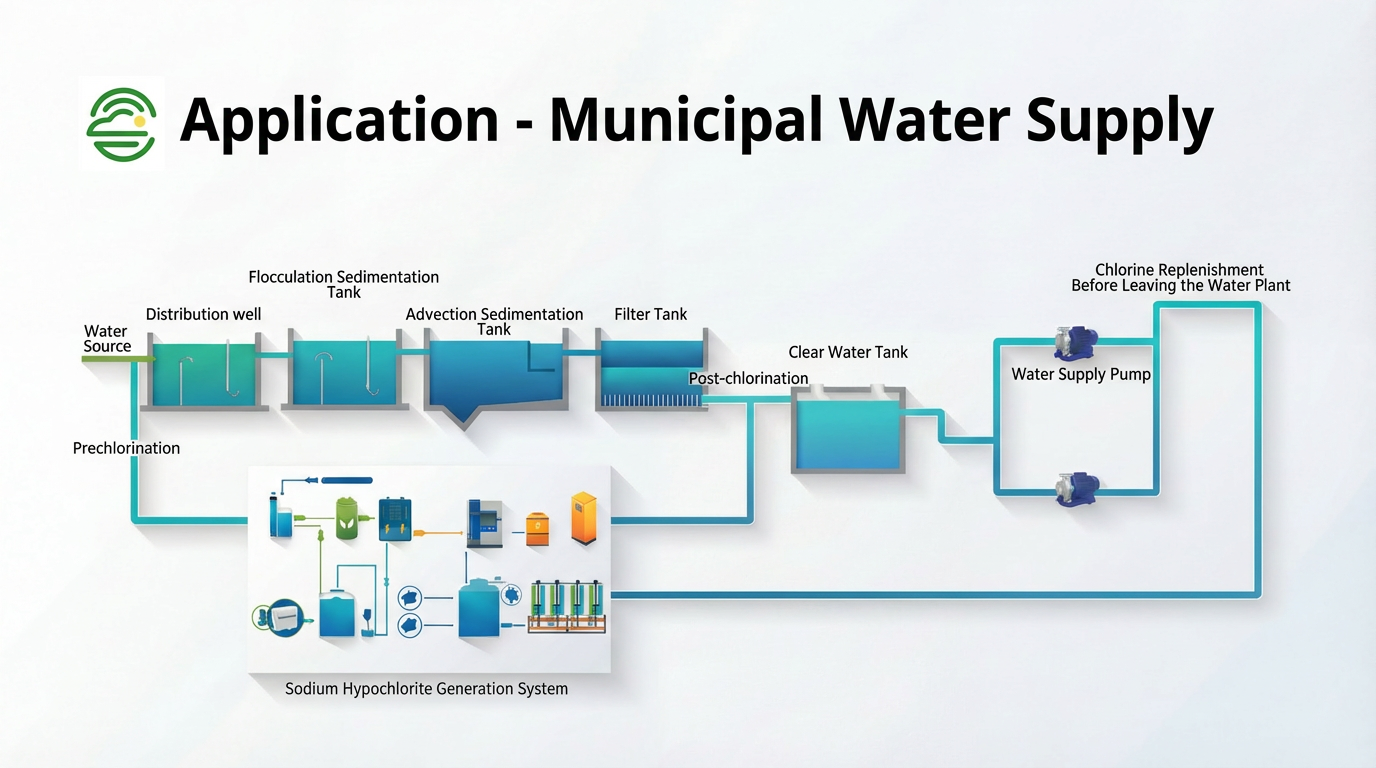
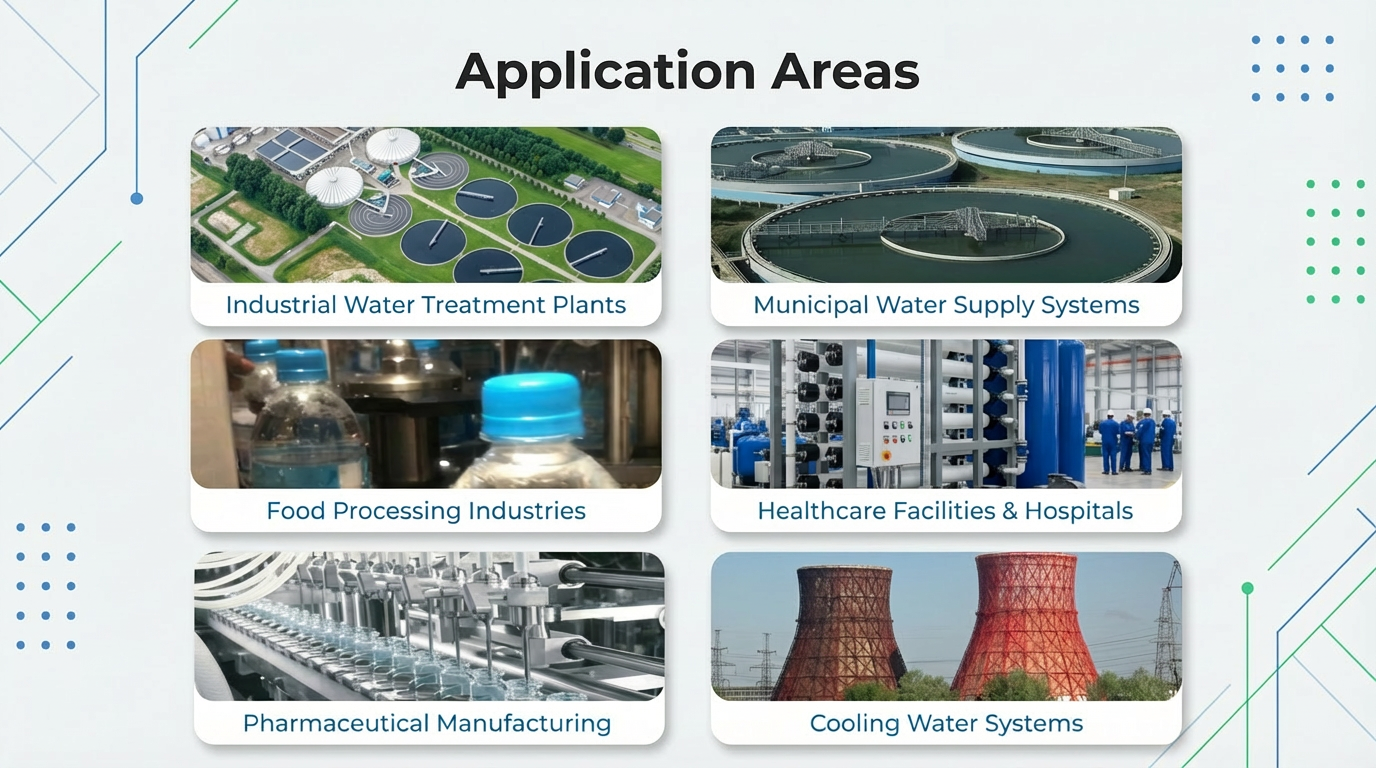
  • Municipal drinking water disinfection (all plant sizes)
  • Industrial process water treatment
  • Wastewater effluent disinfection
  • Cooling tower biofouling control
  • Food & beverage plant sanitation
  • Hospital water system disinfection
  • Aquaculture and livestock water treatment
  • Swimming pool and recreational water

System Sizing Guide

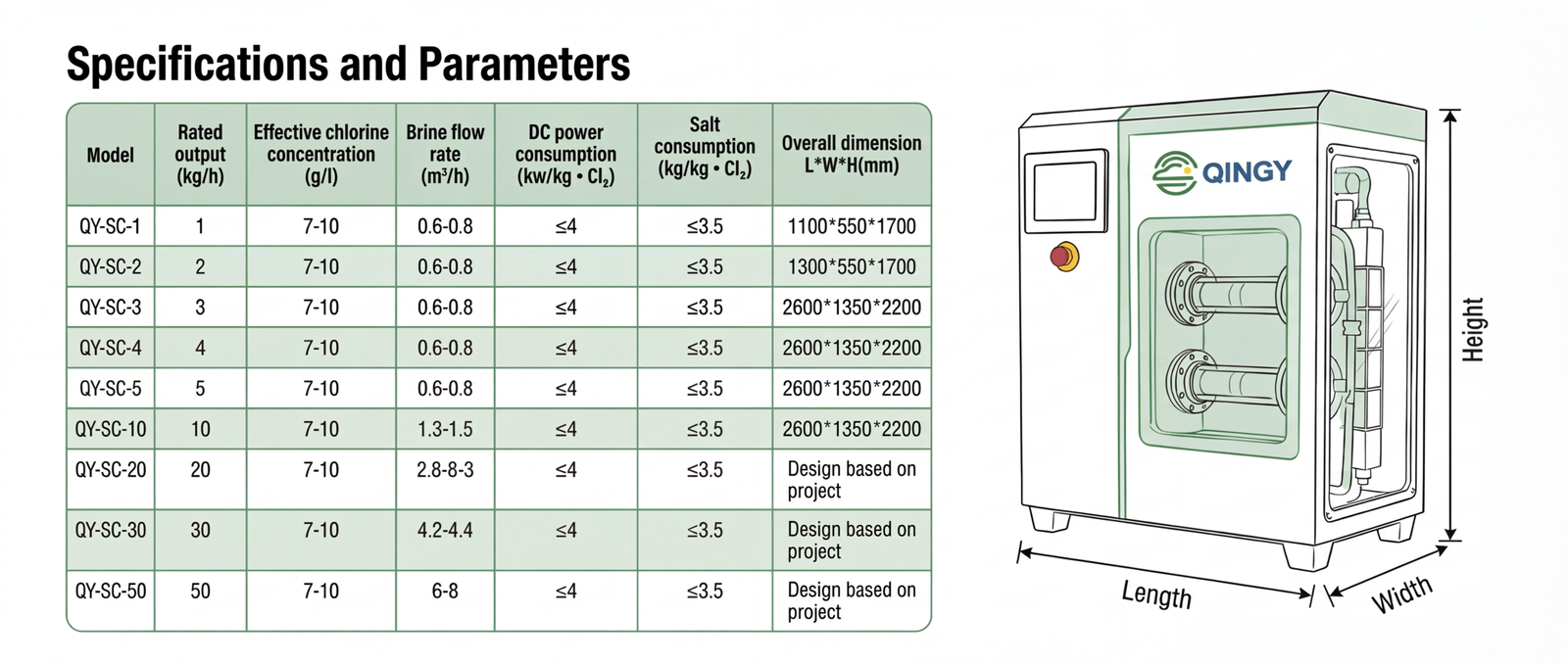
Daily Chlorine Demand Recommended Model Salt Usage/Day
<25 kg Cl₂/day 1 t/d system ~80 kg salt
25–75 kg Cl₂/day 3 t/d system ~240 kg salt
75–150 kg Cl₂/day 5 t/d system ~450 kg salt
>150 kg Cl₂/day 8 t/d system ~800 kg salt

Why Choose QINGY Brine Electrolysis Systems?

  • 15+ years of specialized engineering in membrane electrolysis
  • Turnkey solution: design, manufacture, commissioning, training, and lifetime support
  • CE/UL/NSF/ATEX certified for global deployment
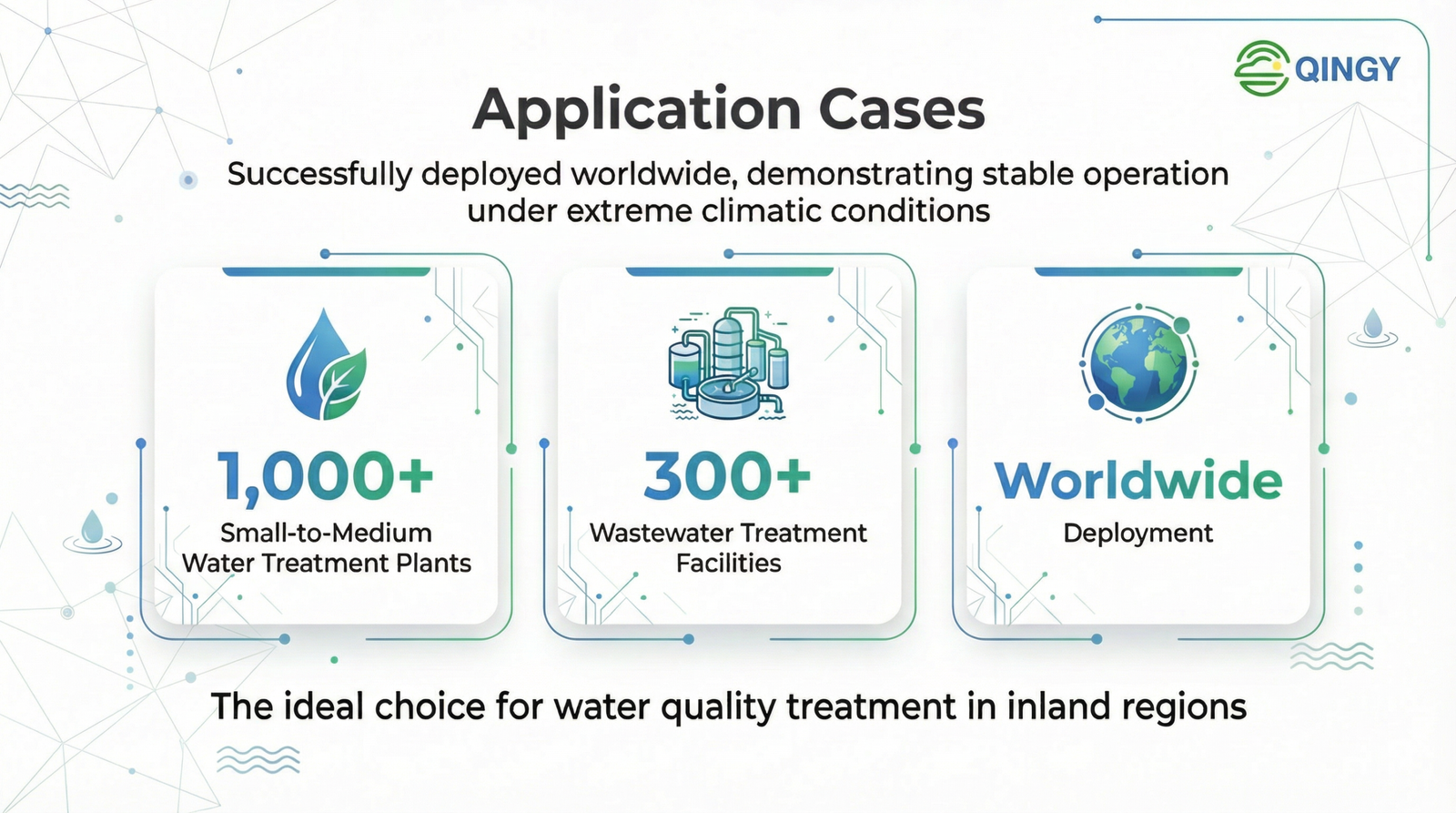
  • Proven track record in 20+ countries
  • Lowest total cost of ownership in the industry
  • Industry 4.0 ready with cloud monitoring and predictive maintenance

FAQ

What salt quality do I need?

Food-grade refined salt (NaCl ≥99.5%) with particle size 2–5 mm is recommended. Avoid industrial or road salt with high impurities, as calcium and magnesium cause electrode scaling and reduce efficiency.

How much space does the system need?

Depending on capacity, the main electrolysis skid requires 6–25 m². Including salt storage, water treatment, and NaClO tank, the total room requirement is typically 30–80 m².

Is the system safe?

Yes. The system only produces dilute NaClO (not pure chlorine gas). Hydrogen byproduct is automatically diluted below explosive limits and vented safely. Multiple safety interlocks (H₂ detector, temperature alarms, flow sensors) ensure fail-safe operation.