Sodium Hypochlorite Generator: The Complete Guide to On-Site Disinfection Solutions
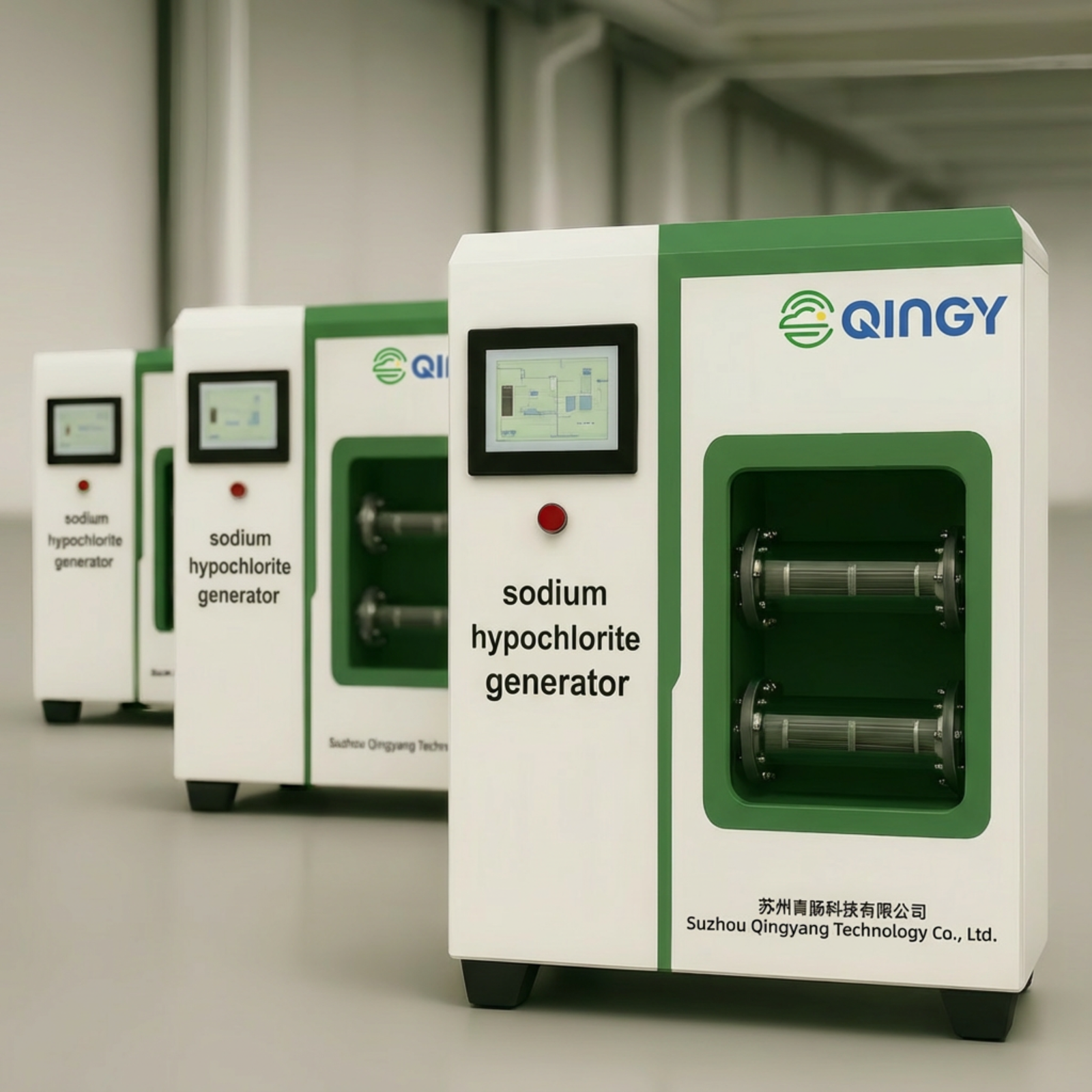
In today’s world, access to reliable, cost-effective disinfection solutions is more critical than ever. Whether you’re managing a municipal water treatment facility, running a food processing plant, or maintaining a swimming pool, the ability to produce your own sodium hypochlorite (bleach) on-site offers significant advantages over purchasing pre-made chemicals. A sodium hypochlorite generator transforms ordinary salt, water, and electricity into a powerful disinfectant, providing a safer, more efficient alternative to traditional chemical handling and storage.
How Sodium Hypochlorite Generators Work Their Magic
At its core, a sodium hypochlorite generator operates on the principle of electrolysis, a process that uses electricity to drive a chemical reaction. Here’s the simplified breakdown:
Saltwater Solution Creation: The system first mixes salt (sodium chloride) with water to create a brine solution.
Electrolysis Process: This brine solution passes through an electrolytic cell where an electric current separates sodium and chloride ions.
Chemical Transformation: The process produces sodium hypochlorite (NaOCl), hydrogen gas, and caustic soda.
Product Collection: The resulting solution contains approximately 0.8-1.2% sodium hypochlorite, the active ingredient in household bleach.
The beauty of this system lies in its simplicity and efficiency. By producing sodium hypochlorite on-site, businesses eliminate the need for bulk chemical storage and reduce transportation costs associated with purchasing pre-made solutions.
Key Benefits of On-Site Sodium Hypochlorite Generation
Investing in a sodium hypochlorite generator offers numerous advantages over traditional chemical procurement methods:
Cost Savings: Producing your own sodium hypochlorite can reduce chemical costs by 30-50% compared to purchasing pre-made solutions.
Enhanced Safety: Eliminate risks associated with transporting and storing large quantities of concentrated chemicals.
Freshness and Effectiveness: On-site generation ensures you always use freshly produced sodium hypochlorite, which maintains its disinfecting power longer than store-bought alternatives.
Environmental Benefits: Reduce plastic waste from chemical containers and minimize transportation emissions.
Consistent Quality: Maintain precise control over the concentration and quality of your disinfectant solution.
Regulatory Compliance: Simplify record-keeping and documentation for chemical usage and storage.
Applications Across Industries
Sodium hypochlorite generators find applications in diverse industries where reliable disinfection is essential:
Water Treatment Facilities: Municipal water treatment plants use sodium hypochlorite for primary and secondary disinfection processes.
Food and Beverage Industry: Sanitizing equipment, surfaces, and water in food processing plants and beverage production facilities.
Swimming Pools and Spas: Maintaining proper water chemistry and sanitation levels without handling hazardous chemicals.
Healthcare Facilities: Disinfecting surfaces, medical equipment, and water systems in hospitals and clinics.
Agriculture: Sanitizing irrigation water and equipment in agricultural settings.
Wastewater Treatment: Treating effluent before discharge into waterways.
Choosing the Right Sodium Hypochlorite Generator for Your Needs
When selecting a sodium hypochlorite generator, consider these important factors:
Production Capacity: Determine your daily sodium hypochlorite requirements to select a system with appropriate output capabilities.
Quality and Durability: Look for systems constructed with corrosion-resistant materials like titanium and high-quality membranes.
Ease of Operation: Choose a system with user-friendly controls and automated monitoring capabilities.
Maintenance Requirements: Consider systems with self-cleaning features to minimize downtime and maintenance costs.
Energy Efficiency: Select models with high energy efficiency ratings to reduce operational costs.
Scalability: If your business is growing, choose a system that can expand with your needs.
Installation and Maintenance Considerations
Proper installation and maintenance are crucial for maximizing the lifespan and efficiency of your sodium hypochlorite generator:
Professional Installation: Ensure your system is installed by qualified technicians familiar with chemical generation equipment.
Regular Maintenance Schedule: Follow manufacturer recommendations for routine maintenance, including electrode cleaning and system inspections.
Water Quality Management: Monitor water quality to prevent scaling and mineral buildup in the electrolytic cell.
Safety Protocols: Implement proper safety measures for handling hydrogen gas produced during the electrolysis process.
Training Requirements: Ensure all operators receive comprehensive training on system operation and safety procedures.
Conclusion: The Future of Disinfection is On-Site
A sodium hypochlorite generator represents a smart investment for any business requiring regular disinfection solutions. By producing your own sodium hypochlorite on-site, you gain control over your chemical supply chain while reducing costs, improving safety, and ensuring consistent quality.
Whether you’re looking to upgrade your water treatment facility, enhance food safety protocols, or simplify pool maintenance, a sodium hypochlorite generator offers a sustainable, cost-effective solution. With proper selection, installation, and maintenance, these systems can provide reliable service for 10 years or more, delivering a significant return on investment.
Take the first step toward revolutionizing your disinfection process. Contact a sodium hypochlorite generator specialist today to assess your requirements and discover how on-site generation can benefit your operations.
Using Hypochlorite Generators for Sanitation Purposes
Hypochlorite generators are widely used for sanitation purposes in applications where consistent hygiene standards and reliable microbial control are required. In sectors such as food processing, beverage production, public sanitation facilities, and industrial cleaning systems, effective disinfection plays a critical role in protecting product quality and public health. An on-site hypochlorite generator allows these facilities to produce disinfectant as needed, ensuring a continuous and controlled sanitation process.
For sanitation applications, on-site sodium hypochlorite generation offers important operational advantages. Freshly generated hypochlorite maintains stable available chlorine levels, which helps ensure consistent disinfection performance across varying operating conditions. This is especially important in sanitation systems that operate continuously or experience fluctuating demand, where inconsistent disinfectant strength can compromise hygiene effectiveness.
In addition, using an on-site hypochlorite generator for sanitation purposes reduces dependence on delivered chemicals. Facilities no longer need to manage frequent chemical deliveries, storage degradation, or handling risks associated with bulk disinfectants. This improves overall site safety and simplifies daily sanitation management.
On-site hypochlorite generators are also well suited for automated sanitation systems. Integration with dosing pumps and control systems allows precise disinfectant application based on process requirements, making them an efficient and reliable solution for modern sanitation operations in industrial and municipal environments.
Call to Action
Contact Qingyau to discuss your water flow, chlorine dosage targets, and site conditions. Our engineers can recommend the right sodium hypochlorite generator configuration and capacity for your project.