
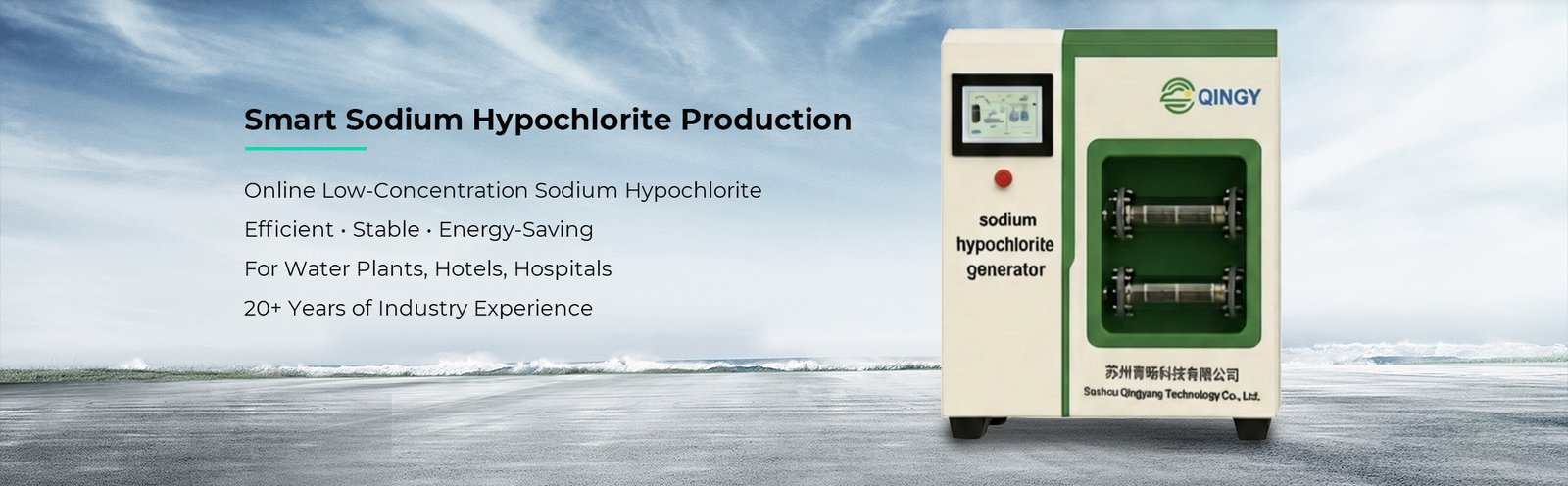
In an era where water safety and disinfection have become paramount concerns across industries, sodium hypochlorite generators have emerged as innovative solutions for on-site chlorine production. These systems convert salt and water into sodium hypochlorite (bleach) through electrolysis, offering a safer, more cost-effective alternative to traditional chlorine handling methods. As businesses and municipalities increasingly prioritize sustainable disinfection practices, the sodium hypochlorite generator market is experiencing significant growth with expanding applications across various sectors.
## Municipal Water Treatment Applications
Municipalities worldwide are recognizing the advantages of sodium hypochlorite generators for public water systems. These systems provide a continuous supply of chlorine for drinking water disinfection without the risks associated with transporting and storing hazardous chlorine gas or liquid chlorine.
Key applications in municipal settings include:
– Drinking water treatment plants for pathogen elimination
– Wastewater treatment facilities for effluent disinfection
– Swimming pool and recreational water maintenance
– Emergency water treatment during natural disasters or contamination events
The ability to produce chlorine on-site eliminates dependency on external suppliers and ensures consistent water quality standards. Municipalities benefit from reduced operational costs, improved safety protocols, and compliance with increasingly stringent environmental regulations regarding chemical handling.
## Industrial and Commercial Disinfection Solutions
Numerous industries have adopted sodium hypochlorite generators to address their specific disinfection needs:
**Food and Beverage Industry**
Food processing facilities utilize these systems for:
– Equipment sanitization and surface disinfection
– Water treatment in processing lines
– Produce washing and food preservation
– Cooling tower maintenance to prevent microbial growth
**Healthcare Sector**
Hospitals and medical facilities rely on sodium hypochlorite generators for:
– Instrument and surface disinfection
– Water treatment in dialysis units
– Laundry sanitization
– Environmental infection control
**Agricultural Applications**
The agricultural industry benefits from:
– Irrigation water treatment
– Livestock drinking water disinfection
– Produce washing and post-harvest treatment
– Greenhouse and hydroponic system maintenance
**Industrial Manufacturing**
Manufacturing plants implement these systems for:
– Process water treatment
– Cooling tower and boiler water management
– Equipment cleaning and sanitization
– Wastewater treatment before discharge
## Residential and Small-Scale Applications
The residential market for sodium hypochlorite generators is expanding as homeowners and small businesses recognize their benefits:
– Private well water treatment systems
– Residential swimming pool maintenance
– Small-scale commercial applications in hotels, restaurants, and laundromats
– Emergency preparedness kits for water treatment
Portable sodium hypochlorite generators have also found applications in disaster relief efforts, providing communities with the ability to produce their own disinfectant during water supply disruptions.
## Market Drivers and Growth Factors
Several key factors contribute to the positive market outlook for sodium hypochlorite generators:
**Regulatory Environment**
Increasing government regulations regarding chemical handling and water quality standards drive adoption across industries. The safety advantages of on-site generation systems make them attractive alternatives to traditional chlorine products.
**Cost Considerations**
While initial investment costs may be higher than traditional methods, the long-term operational savings from reduced chemical purchasing, transportation, and storage costs make these systems economically advantageous.
**Technological Advancements**
Ongoing innovations in electrolysis technology, energy efficiency, and system automation have improved performance while reducing operational requirements. Modern systems offer remote monitoring capabilities and require minimal maintenance.
**Environmental Awareness**
The shift toward sustainable practices has increased demand for solutions that minimize environmental impact. Sodium hypochlorite generators produce chlorine from salt and water, reducing transportation-related carbon emissions and eliminating the risks associated with chemical spills.
## Market Challenges and Future Opportunities
Despite the positive outlook, the sodium hypochlorite generator market faces certain challenges:
– Initial investment costs may deter small-scale operations
– Technical expertise requirements for system operation and maintenance
– Competition from alternative disinfection technologies
– Variations in regional regulatory frameworks
However, these challenges are being addressed through:
– Development of more affordable, user-friendly systems
– Increased training and support services
– Integration with IoT and smart monitoring technologies
– Expanding applications in emerging markets with growing infrastructure needs
The market is projected to continue its growth trajectory as more industries recognize the long-term benefits of on-site chlorine generation. Technological advancements will likely lead to more compact, energy-efficient systems with expanded capabilities, further driving adoption across sectors.
## Conclusion: Investing in the Future of Disinfection
Sodium hypochlorite generators represent a significant advancement in disinfection technology, offering versatile applications across municipal, industrial, and residential sectors. As water safety concerns grow and environmental regulations become more stringent, these systems provide a sustainable, cost-effective solution that addresses both operational and safety requirements.
The market for sodium hypochlorite generators is poised for continued expansion, driven by increasing awareness of their benefits, technological improvements, and growing demand from emerging economies investing in infrastructure development. Organizations that adopt these systems position themselves at the forefront of disinfection technology while achieving long-term cost savings and improved safety standards.
For businesses and municipalities considering disinfection solutions, sodium hypochlorite generators offer a forward-thinking investment that aligns with both current needs and future sustainability goals. As the technology continues to evolve and find new applications, these systems will play an increasingly vital role in global water safety and disinfection practices.
Learn more about our sodium hypochlorite generator and high concentration sodium hypochlorite generator for industrial disinfection applications.